






11 Jul Legionnaires’ Disease Outbreak in New York City
Legionnaires’ Disease: A Growing Concern Amidst New York City’s Latest Outbreak
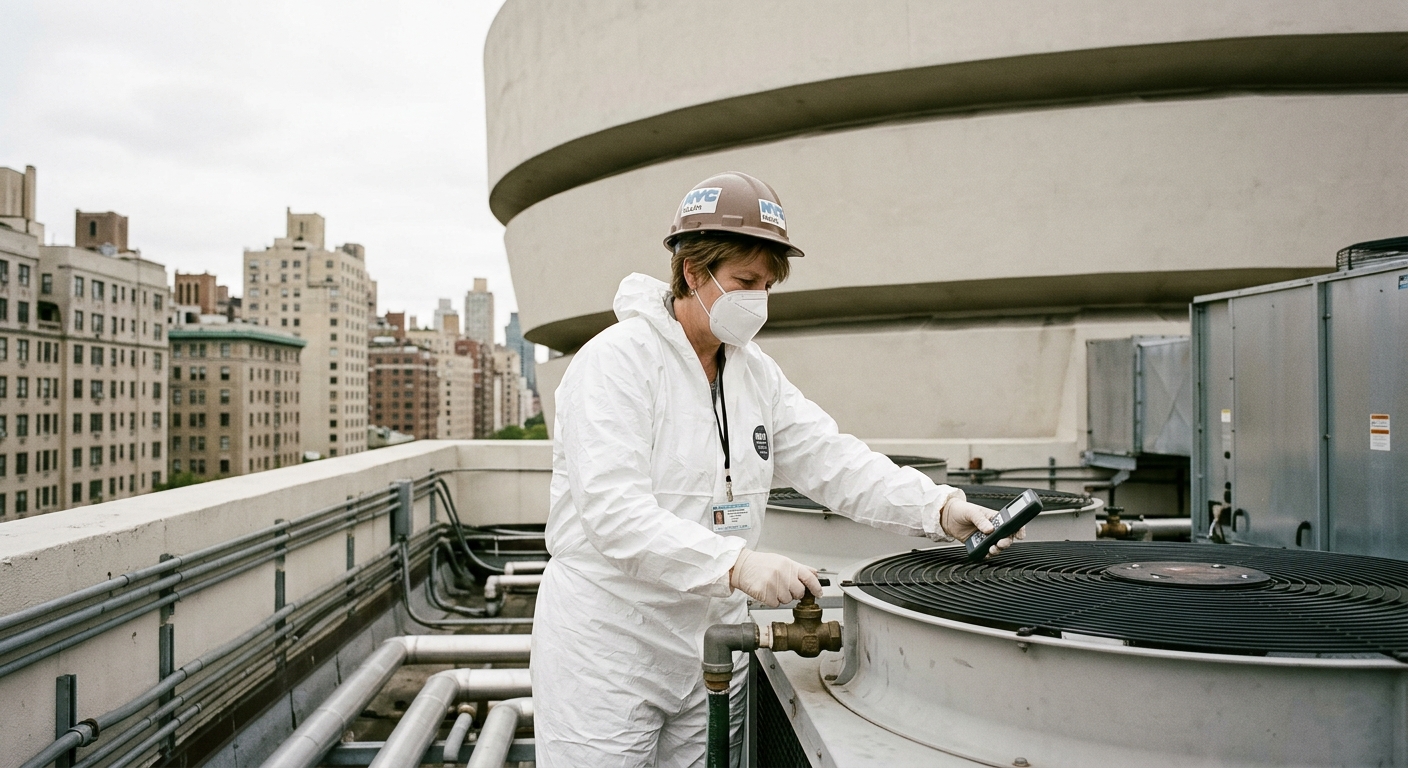
New York City is currently tackling a fresh outbreak of Legionnaires’ disease, a severe type of pneumonia. It’s affecting several well-known buildings, notably the Solomon R. Guggenheim Museum. This health scare highlights the challenges urban areas face in keeping public health safe amidst complicated infrastructure.
Understanding the Outbreak
The New York City Health Department recently identified 31 buildings on the Upper East Side with positive bacterial tests for Legionnaires’. The Guggenheim Museum, an architectural masterpiece crafted by Frank Lloyd Wright and recognized as a UNESCO World Heritage site, was among 19 buildings that have already undergone the necessary clean-up. The outbreak has led to over 50 diagnosed cases, with fewer than 20 people still hospitalized. Thankfully, no fatalities have occurred as of now.
Despite the museum’s positive test result, officials and museum reps have emphasized that there’s no direct threat to visitors, as the tests can’t differentiate between live and dead bacteria. The museum is sticking to its routine of monthly testing and treatment of cooling towers.
The Science Behind Legionnaires’ Disease
Legionnaires’ disease is mainly contracted by inhaling water droplets contaminated with Legionella bacteria, often originating from cooling towers, hot tubs, and showerheads. These bacteria love warm water environments. It’s not spread from person to person, which eases concerns about widespread contagion.
Symptoms can show up anywhere from two days to two weeks after exposure and include cough, fever, headaches, muscle aches, and shortness of breath. The Centers for Disease Control and Prevention notes that those over 50, smokers, and people with chronic lung diseases or weakened immune systems face higher risks.
Lessons from Past Outbreaks
Not the first time, either. New York City has encountered Legionnaires’ disease outbreaks before. A significant one hit Harlem last year, traced back to cooling towers at Harlem Hospital and a nearby construction site, resulting in seven deaths and over 100 illnesses. These cases underscore the need for meticulous maintenance and regular checks of water systems in urban environments to avert health crises.
Navigating Public Health in Urban Landscapes
Though the immediate threat to the public may be lessened, this outbreak serves as a stark reminder of the ongoing challenges of safeguarding public safety amid the dense infrastructure of major cities. Regular inspections and preventive maintenance are crucial as cities continue to grow.
With the city actively addressing this outbreak, it also brings broader urban health management issues into focus and highlights the need for proactive measures to protect public health. With over 50 cases linked to this cluster, staying vigilant is essential to prevent further spread and ensure the well-being of all city residents and visitors.
No Comments