






08 Jul Maine Senate Race: Fallout from Platner’s Withdrawal
Unraveling the Maine Senate Race: The Fallout from Graham Platner’s Withdrawal
Graham Platner’s sudden exit from the Maine Senate race has thrown the Democratic Party into a whirlwind as they scramble to find a worthy contender to take on incumbent Republican Senator Susan Collins. The former oyster farmer, who initially captivated many with his populist charm, found himself embroiled in controversy that eventually led him to halt his campaign.
The Controversy Unfolds
Platner stepped down following serious allegations of sexual misconduct, as reported by Politico. Platner denied these accusations, yet they severely eroded his support and financial backing. Prominent Democrats, including Sen. Bernie Sanders, who had once championed Platner, joined in the calls for his withdrawal. Sanders urged Platner to step aside, allowing the party to concentrate on dethroning Collins. Not the first time, either.
Influence and Intrigue
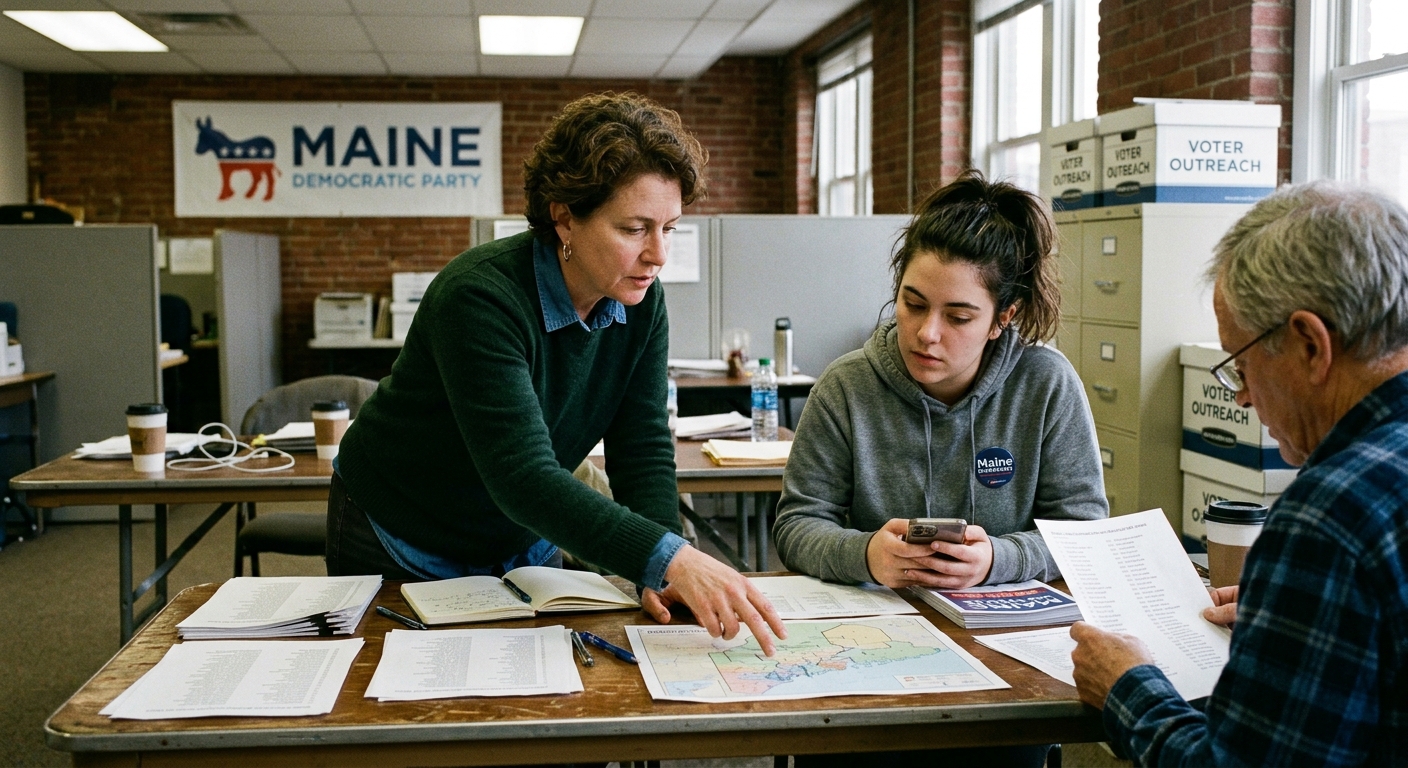
There’s tension over selecting a new Democratic nominee. The Maine Democratic Party accused Platner’s team of attempting to steer the selection process, a charge Platner’s campaign vehemently denies. Devon Murphy-Anderson, the party’s executive director, insisted that Platner’s team should have no say in picking the next nominee or how that process unfolds. With the clock ticking for Platner’s official withdrawal, the party is working diligently to craft a transparent selection process. But don’t expect details until Platner’s formal exit.
Potential Contenders Emerge
Amidst this political maelstrom, potential candidates are emerging to fill the gap left by Platner. Former Maine state Senator Troy Jackson is one such figure, touting his campaign successes and alignment with Platner’s populist themes. Jackson has broad appeal across the state, winning major cities like Bangor and Portland, which could be a strategic advantage in a statewide contest.
Nirav Shah, who led Maine’s public health agency during the COVID-19 crisis, is another prospective candidate considering a run. Like Jackson, Shah points to his gubernatorial campaign’s resonance with voters across Maine. He aims to elevate Maine-centric issues to a national stage, focusing on Medicare for all and corporate accountability—issues that have ignited grassroots enthusiasm within the state.
The Road Ahead
Platner’s exit puts the Maine Democratic Party at a pivotal point in their quest to reclaim a Senate seat. Rallying around a new candidate who can effectively challenge Collins is crucial. As the process unfolds, the chosen candidate must capture the initial momentum of Platner’s message while addressing the broader concerns of Maine voters. This decision carries weight not just for Maine, but it could also shake up the national political scene, given the delicate balance of power in the Senate. A one-sentence paragraph for emphasis, perhaps.
No Comments