






09 Aug Middle East Tensions Rise Over Trump’s Gaza Proposal
Middle East Tensions Escalate Amid Uncertainty Over Trump’s Gaza Plan
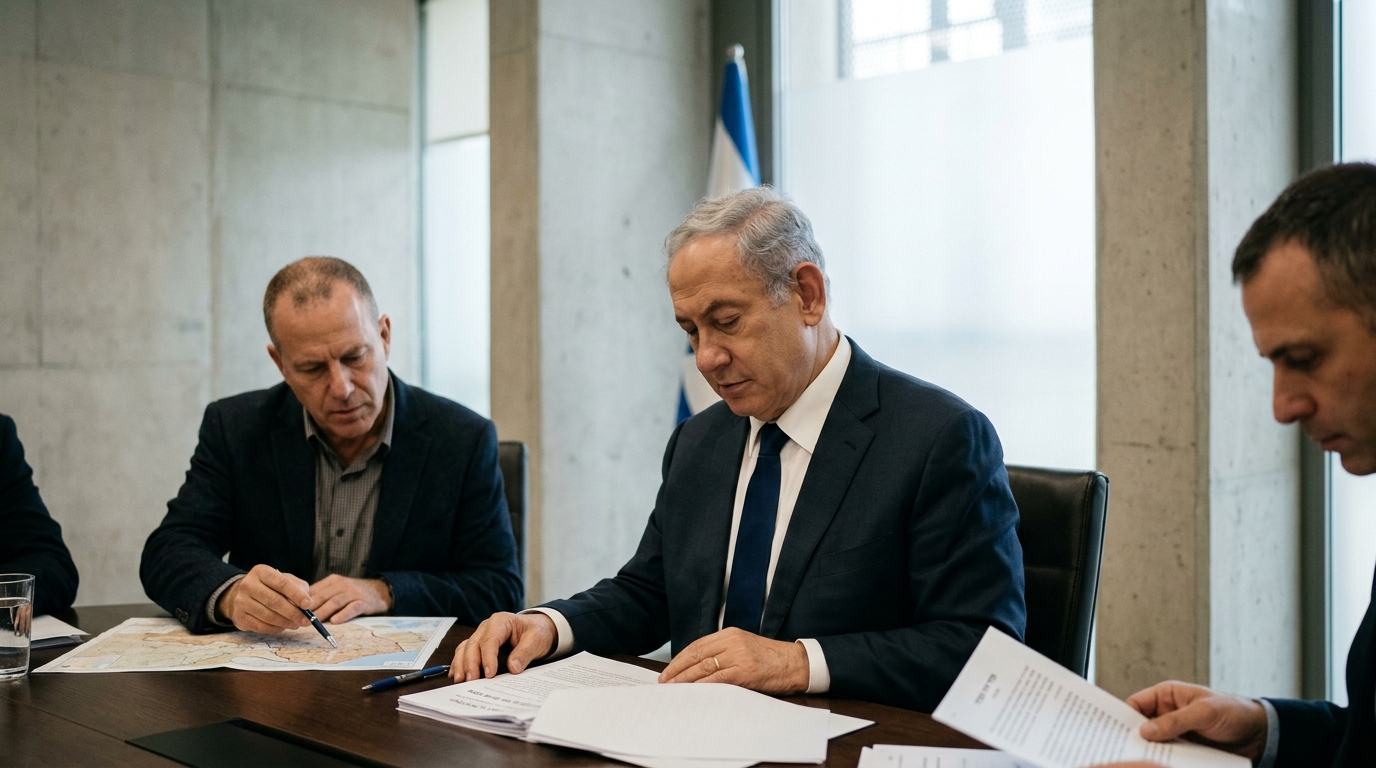
Israeli Prime Minister Benjamin Netanyahu recently snubbed U.S. President Donald Trump’s proposed Gaza plan, a move that underscores the ongoing complexities in the Middle East. This rejection highlights the persistent challenges in achieving peace in the region, with Israel staunchly demanding Hamas’s disarmament before considering any military withdrawal. The situation remains tense, with no word yet from the White House on Netanyahu’s firm stance.
Netanyahu’s Firm Position on Gaza
Netanyahu tossed aside Trump’s 15-point Gaza plan, asserting Israel’s unwavering need for security assurances. He stressed that Israeli forces won’t budge until Hamas, the militant group ruling Gaza, is fully disarmed. This stance follows the bloody conflict ignited on October 7, 2023, by a Hamas-led assault on Israel. Despite a fragile ceasefire, tensions simmer, complicating efforts for a lasting resolution. The conflict, leaving much of Gaza in rubble, vividly illustrates the hurdles to peace in the region.
Regional Implications and Strategic Concerns
The Middle East—forever a powder keg of geopolitical tensions. Recently, Iranian-backed Houthi rebels attacked Yemen’s government-held Mocha port, adding to the region’s instability. Striking strategic spots and causing casualties, the assault reveals the region’s fragile security dynamics. The Mocha port, vital for trade, now lies damaged, raising alarms over the safety of crucial shipping lanes. Alongside this, Iran’s barring of vessels tied to “hostile countries” in the Strait of Hormuz paints a complicated picture of the threats swirling in the region.
Political Developments Impacting U.S. Foreign Policy
These events unfold as the U.S. wrestles with its foreign policy amidst various domestic and international hurdles. The Senate recently skipped town without voting on the Clarity Act, a key cryptocurrency regulation bill—perhaps distracted by the looming midterm elections. This legislative delay could ripple through U.S. economic policy and its stature in the global tech arena.
Looking Forward: The Path to Peace and Stability
The Middle East’s complex political tapestry continues posing significant challenges for international diplomacy. As the U.S. engages in talks on Gaza’s future, the need for a comprehensive and inclusive peace approach is clearer than ever. Regional stability matters—not just for local populations, but also for global trade and security. Moving ahead, balancing security concerns with humanitarian needs will be essential, ensuring all voices are heard in the quest for lasting peace.
No Comments