







29 May Migrant Deaths in DHS Custody Reach Record Highs
Amid Political Turbulence, Humanitarian Concerns Rise as Migrant Deaths in DHS Custody Reach New Heights
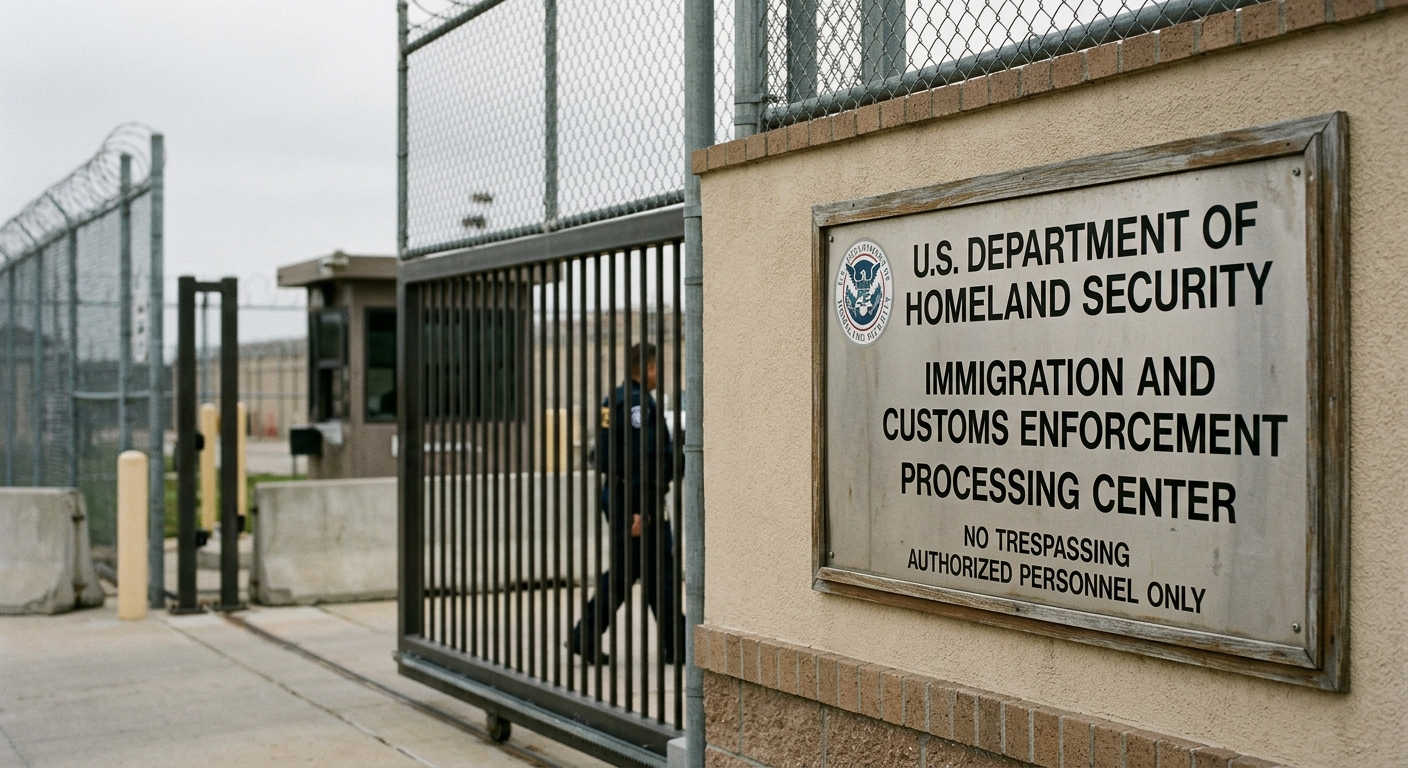
America currently finds itself grappling with a tangled web of political and humanitarian challenges. As new developments unfold, they reflect broader cultural and policy shifts. At the forefront is the grim reality of record-breaking deaths in Department of Homeland Security (DHS) custody, throwing a harsh spotlight on the consequences of current immigration policies and enforcement.
Migrant Deaths Reach Record Levels
Data shows a stark increase in migrant deaths in DHS custody — an all-time high, with at least 29 fatalities from October 2025 to April 2026. That’s more than the previous record of 28 in 2004. A critical humanitarian crisis, no doubt. Many point to President Donald Trump’s ongoing anti-immigration stance as a key driver behind these numbers, exacerbating conditions within federal detention centers.
Suicides among those detained are now alarmingly common, underscoring severe mental health issues faced by these individuals. Mortality rates reveal not just harsh physical conditions but also the heavy psychological burden of prolonged detention and the uncertainty of their legal futures.
Political Implications and Policy Scrutiny
As death tolls mount, the demand for accountability and a reassessment of immigration policies grows louder. It’s a call to action for policymakers and advocates alike, urging reforms to ensure migrants are treated humanely. The fallout isn’t confined domestically; it also tarnishes America’s global image as a defender of human rights.
In politics, these developments fuel broader debates on immigration reform, national security, and civil liberties. With political shifts, like the exit of Speaker Mike Johnson’s chief of staff Hayden Haynes, legislative priorities might pivot — perhaps significantly.
Global and Cultural Context
Meanwhile, as the U.S. wrestles with its issues, global events like rescue missions in Laos — where villagers were trapped in caves — serve as a stark reminder. Human vulnerability is universal, and international cooperation is crucial in crisis response. It all points to the interconnected nature of political decisions and humanitarian effects.
Media and cultural narratives play a pivotal role, too, in shaping public views and dialogues. Political cartoons, for instance, succinctly capture the spirit of current events, critiquing and reflecting on the political atmosphere.
Conclusion
As America confronts these urgent challenges, a balanced approach that weighs security against humanitarian needs is crucial. The spike in migrant deaths in detention centers needs immediate focus and action, ensuring policies align with the nation’s core values of human rights. Amid the endless barrage of information, honing in on facts and data that inspire change is more important than ever.
No Comments