





19 May Minnesota’s Bold Move Against Prediction Markets
Legal and Political Crossroads: The Intersecting Narratives Shaping America’s Legislative Landscape
America’s political scene is in flux. Recent developments highlight the intricate dance between state and federal powers, social change, and political loyalties. Take Minnesota, for instance—a trailblazer on prediction markets—and then there’s the lasting clout of former President Donald Trump. These threads weave together a richly complex political tapestry.
Minnesota Takes a Stand Against Prediction Markets
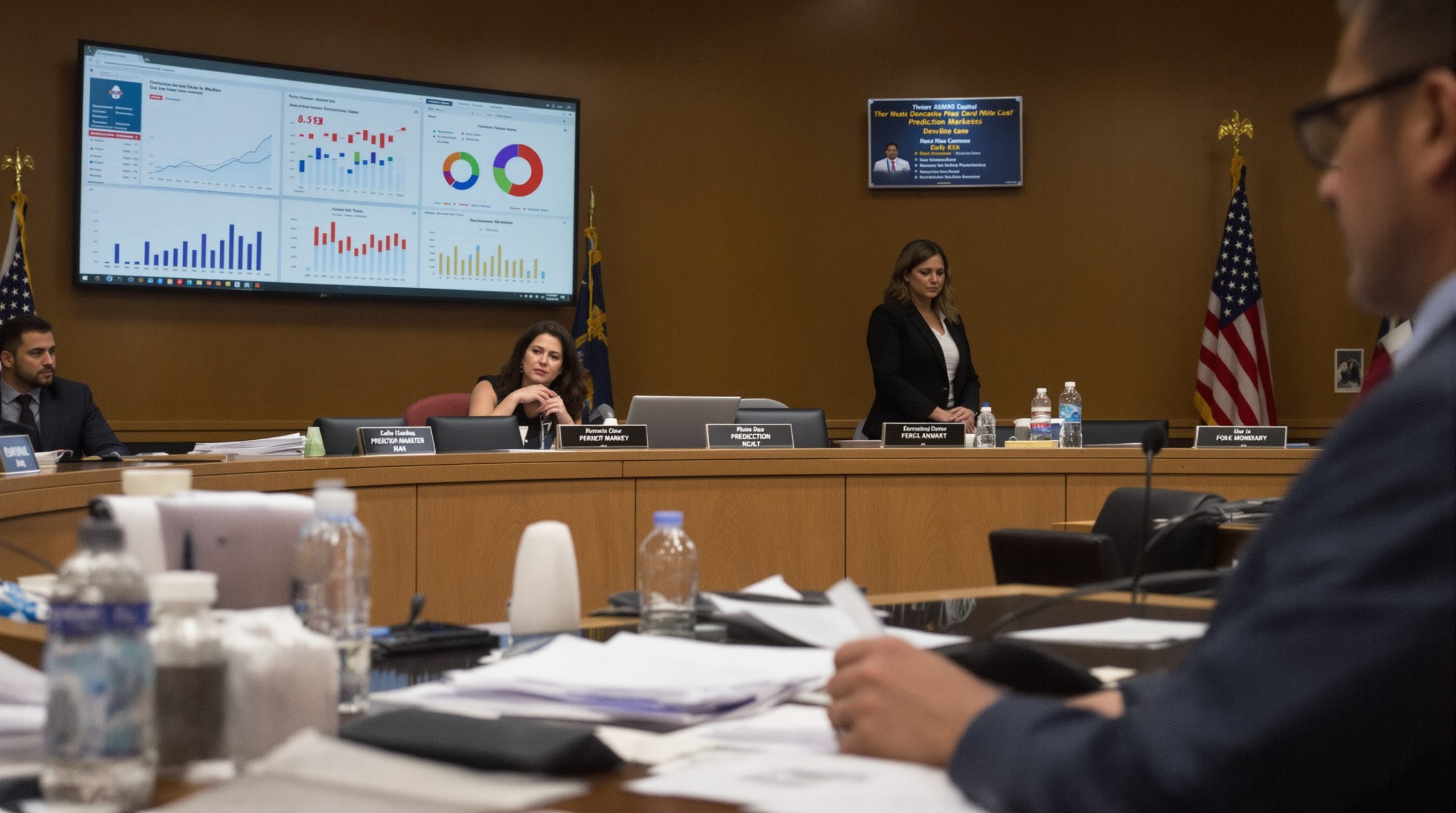
Minnesota’s made headlines by being the first state to clamp down on prediction markets. Bold move, and it’s kicked off a legal tussle with the Trump administration. Governor Tim Walz signed a law that stops these markets from operating or being advertised in the state. The goal? Tackle gambling concerns, especially its effects on public safety and youth.
The Trump administration? Not so impressed. They’ve challenged this state law, with the Commodity Futures Trading Commission (CFTC) arguing that prediction markets should be federally regulated. According to the CFTC, the new law turns legal operators into criminals overnight and threatens industries like agriculture, which depend on futures trading for weather-related risk management.
This isn’t an isolated incident. It’s part of a broader trend where states flex their regulatory muscles against federal control—seen in other areas too. With similar legislation proposed in seven other states, the outcome here could set an important precedent for the future of prediction markets in America.
Senator Cassidy’s Political Reflection Amidst Trump’s Enduring Influence
Over in the political arena, Republican Senator Bill Cassidy of Louisiana faces a pivotal moment after losing his primary election. His vote to convict Trump during the post-January 6 impeachment trial has been a key part of his story. Even in defeat, Cassidy stands by his choice, emphasizing his dedication to the Constitution.
Cassidy’s saga highlights Trump’s persisting grip on the Republican Party. Trump’s backing of Cassidy’s rival shows his lasting leverage in steering party dynamics and shaping the fortunes of those who dare oppose him.
As Cassidy considers his next moves—maybe upcoming votes on Democratic proposals—his reflections underscore the wider theme of loyalty and integrity in politics. His story adds a personal twist to the narrative of allegiance and consequence in today’s divided political landscape.
The Broader Implications and Cultural Shifts
These separate events actually speak to deeper trends in the U.S. Minnesota’s legislative move signals a growing readiness among states to contest federal authority—it’s a modern echo of past tensions between state and national rule. Meanwhile, Cassidy’s tale illustrates the personal and political stakes involved in a world where party loyalty and personal principles often clash.
As these stories continue to unfold, they give us a way to understand the evolving intersections of law, policy, and political identity. In a time when information and influence are continually shifting, grasping these dynamics is key to navigating the complexities of American governance and societal change.
No Comments