






07 Aug Mitch McConnell’s Health and Political Accountability
Transparency and Trust: A Political Balancing Act
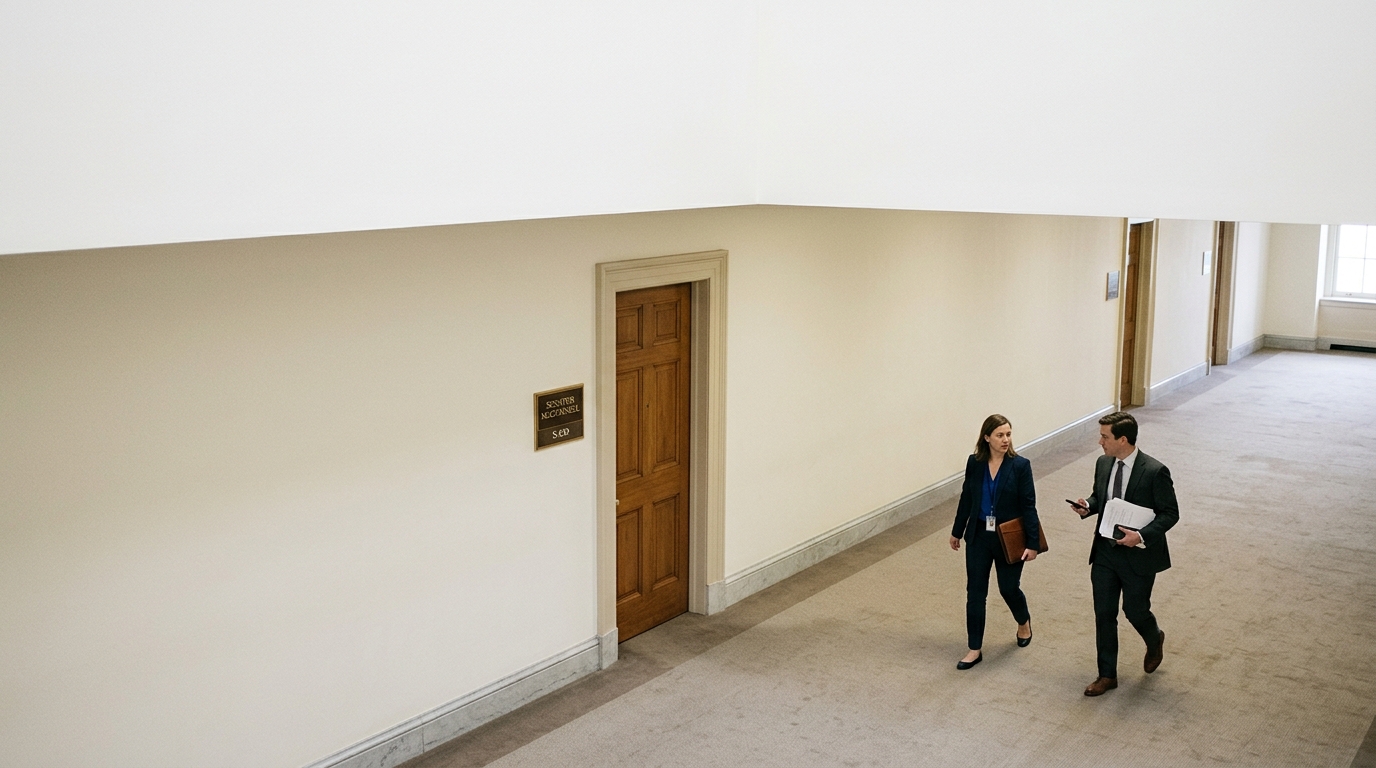
Senator Mitch McConnell’s recent discharge from a rehabilitation center has set tongues wagging about transparency and accountability among public officials. McConnell, at 84, found himself in the hospital after a fall led to pneumonia. His management of health updates hasn’t won everyone over. He opted for written statements and photos instead of live appearances, prompting accusations of insufficient transparency—especially from Kentucky Governor Andy Beshear. What’s the standard for political accountability nowadays, particularly for aging officials? This situation brings that question into sharp focus.
The Double Standard Debate
Governor Beshear hasn’t held back his criticism of McConnell, pointing to what he sees as a double standard in political accountability. This follows the Senate Homeland Security Committee’s vote to hold Dr. Anthony Fauci in contempt for dodging questions during a hearing. Beshear’s remarks hint at a partisan divide in transparency expectations, highlighting how McConnell’s long absence from the Senate is weighed against the scrutiny faced by Fauci. It’s a tangled web of political narratives, where identical actions might receive different reactions based on political leanings.
“So 85-year-old Anthony Fauci should be held in contempt in jail for not answering questions to Americans. But 84-year-old Mitch McConnell gets a complete and total pass after not showing up to work for seven weeks. It’s a huge double standard. It’s entirely partisan.”
Commonwealth Games: A Question of Relevance
Amid political scuffles, another story brews in sports as the Commonwealth Games in Glasgow wrap up, leaving mixed feelings about their future. The Games attracted over 434,000 ticket-holders and 200,000 fans around the city—a testament to their athletic spectacle but also fuel for debates about their dwindling relevance. Critics claim the Games might be slipping off the radar in the global sports calendar. Yet, Glasgow’s warm reception hints at a different story. The situation underscores how events must evolve with cultural and economic shifts.
Challenges and Triumphs
Despite the naysayers, Glasgow 2026 delivered unforgettable moments. Scotland’s Josh Kerr snagged victory in the mile race, while Wales’s Emma Finucane clinched four gold medals in sprint cycling—an unprecedented haul. These triumphs showcase the Games’ power to captivate and motivate, even as they grapple with financial and logistical hurdles. The struggle of the Commonwealth Games to stay pertinent mirrors larger societal transformations, where traditional institutions must innovate to retain their significance in our swiftly changing world.
Future Considerations for Public Figures and Global Events
As these narratives unfold, they shed light on the complexities of maintaining transparency and relevance in politics and public events. Politicians like McConnell tread a fine line between personal privacy and public accountability. Meanwhile, global spectacles like the Commonwealth Games have to adapt to shifting public expectations and economic conditions. Both instances emphasize the necessity for strategies that resonate with today’s audiences while adhering to fundamental principles of trust and engagement.
No Comments