







04 Aug Omaha’s Lead Contamination Crisis Explained
A Closer Look at Omaha’s Ongoing Lead Contamination Challenges
Omaha, Nebraska — decades after the closure of a smelting plant, the Environmental Protection Agency (EPA) designated a massive 27-square-mile area as hazardous waste. Yet, lead contamination worries still linger. In a bold investigation, ProPublica and the Flatwater Free Press revisited the soil of east Omaha. Many residents remain in the dark about the issue, despite previous cleanup attempts.
The Legacy of Lead in Omaha
Omaha’s lead woes trace back to the American Smelting and Refining Company, which shut down in the 1990s. When the EPA labeled the area a Superfund site, waves of testing and cleanup began. But now? Routine retesting has vanished. Homeowners are left to their own devices for soil safety checks, turning to private testing. Many remain unaware or mistakenly believe the problem was completely fixed.
“Throughout our reporting, we heard from hundreds of Omaha residents who said they didn’t know about the city’s lead history.” – ProPublica
Community Engagement and Testing Efforts
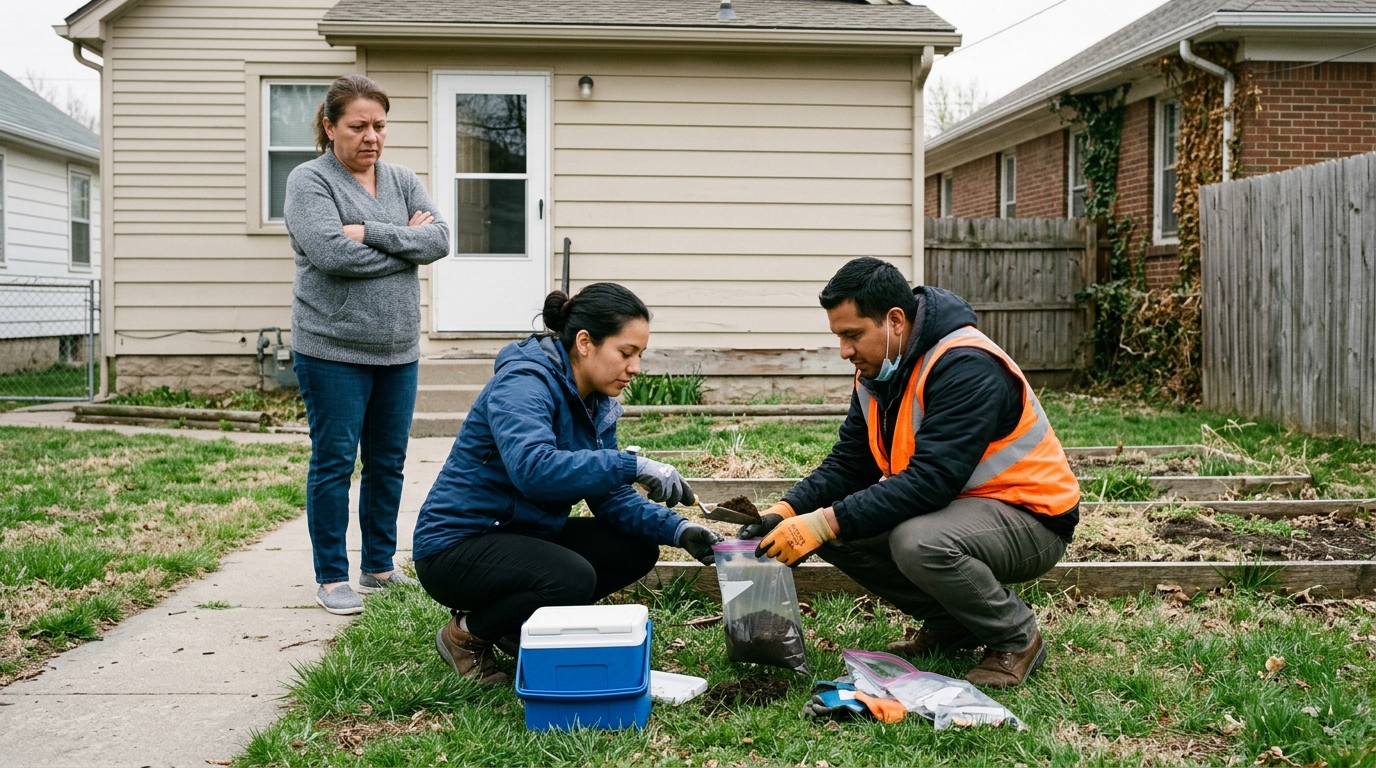
The investigative duo from ProPublica and Flatwater Free Press took a grassroots approach. By knocking on doors, handing out flyers, and teaming up with local groups, they aimed to spread the word and provide free soil tests. Initially, they leaned on DIY kits, but the initiative soon stepped up — personal visits for sample collection took over, driven by rising demand and beefed-up staffing.
- Fewer than 100 samples were initially collected using DIY kits.
- The team later switched to direct collection, increasing participation significantly.
It’s a community effort that highlights the crucial role of accessible information and resources for residents, particularly in places with an environmental skeleton in the closet.
The Broader Implications of Environmental Oversight
Omaha’s predicament raises tough questions about the durability of environmental oversight and the federal agencies’ responsibilities — like the EPA — in safeguarding public health over the long haul. The lack of routine retesting in Superfund areas might mean other communities face similar risks, unknowingly exposed to harmful substances. Omaha’s story is a stark reminder of why ongoing vigilance and proactive steps in environmental health are so vital.
As awareness blossoms, there’s hope for stronger advocacy for comprehensive testing policies and community education programs. It could spark a cultural shift in handling environmental health issues across the United States, ensuring the shadows of industrial legacies are addressed — not just forgotten.
No Comments