






05 Jun Political Power Struggles in U.S. Immigration Policy
Shifting Political Landscapes Highlight Power Struggles and Policy Reversals
Significant changes have been bubbling up in U.S. immigration policy, state governance, and national security lately, painting a vivid picture of the ongoing tensions in American politics. Debates are heating up as legislative power, judicial oversight, and executive action collide, reshaping the political landscape as we know it.
Federal Judge Overturns Controversial Asylum Policy
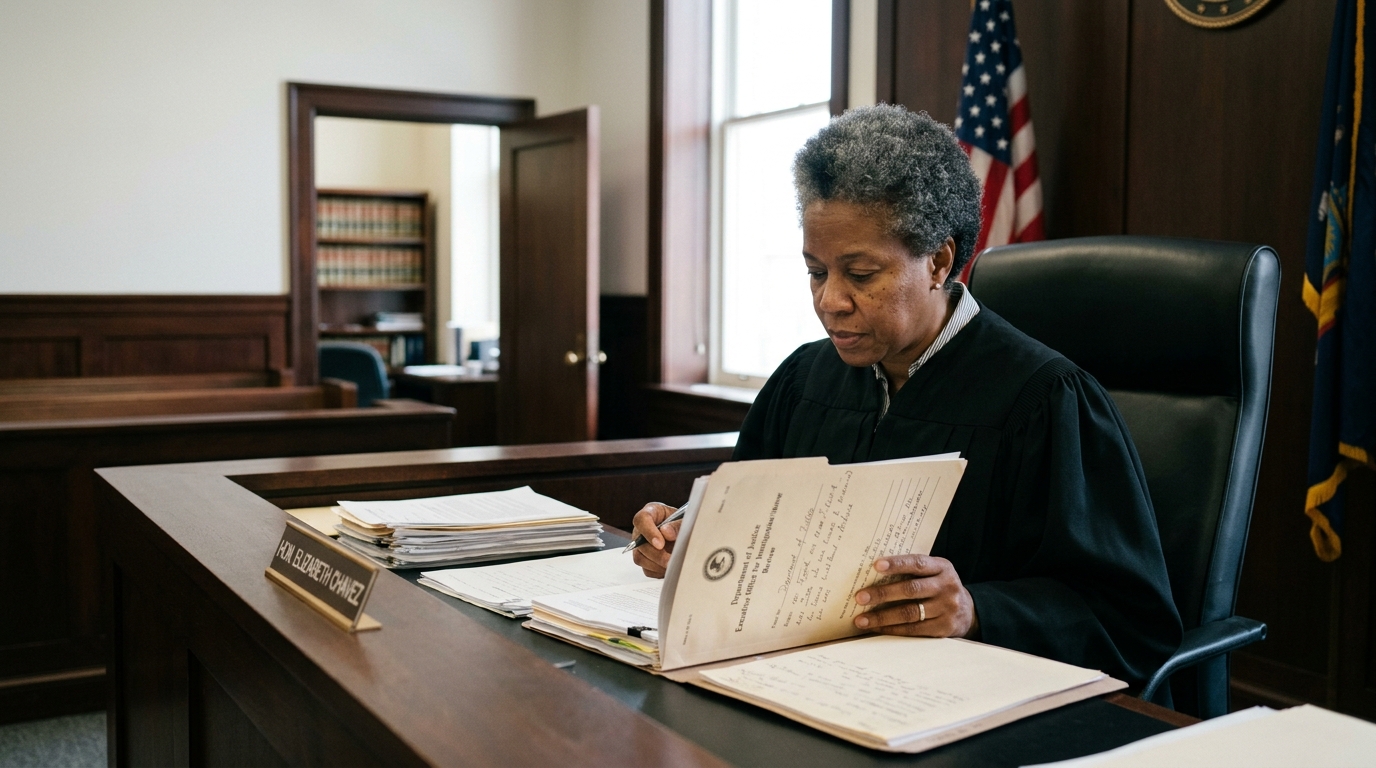
In a recent move, a federal judge scrapped a Trump-era policy that had effectively put the brakes on asylum decisions for immigrants hailing from 39 countries. Critics slammed this policy as arbitrary and discriminatory, leaving countless immigrants in a state of limbo. U.S. District Chief Judge John McConnell Jr. didn’t mince words, condemning the policy for its lack of legal grounding and veiled anti-immigrant motives dressed up as national security.
This ruling serves as a stark reminder of the judiciary’s role in keeping executive power in check, especially when immigration policies hit close to home for families and communities across the nation. Despite the government’s push to toughen entry standards, the decision underscores the legal avenues still open for those seeking asylum and other protections.
North Carolina Democrats Challenge GOP Power Dynamics
Over in North Carolina, Democratic lawmakers are making waves with constitutional amendments aimed at bolstering the governor’s traditional powers and ramping up judicial transparency. This comes as a counter-move to years of Republican efforts to chip away at the Democratic governor’s authority, leaving the state’s executive branch among the weakest in the country.
Though the current Republican-majority legislature is unlikely to pass these amendments, their intent is clear: to shield the state’s constitution from future partisan exploitation. By pushing for transparency and public engagement in lawmaking, Democrats are hoping to ensure governance stays accountable to the people, not just a playground for political schemes.
Trump Administration’s Focus on Immigration and National Security
Meanwhile, the Trump administration is doubling down on immigration enforcement with fresh advisories from the Treasury’s Financial Crimes Enforcement Network. This directive urges banks to sniff out payroll schemes involving unauthorized workers as part of a wider crackdown on illegal activities in the financial system. It’s a move that highlights ongoing friction between the administration’s immigration policies and the financial sector’s operational headaches.
On another front, former President Trump has expressed interest in shrinking intelligence agencies—an indication of a possible pivot in national security priorities. Combined with recent leadership shake-ups in top intelligence circles, this could spell significant changes in how intelligence operations are carried out and perceived.
Implications and Future Outlook
These developments underscore a significant phase of political and policy shifts in the U.S. As federal and state governments wade through these contentious waters, the judiciary’s role, legislative amendments, and executive actions will continue to steer the overall political course. The fallout from these moves will determine not just the immediate policy effects but also the enduring governance frameworks across the nation.
No Comments