







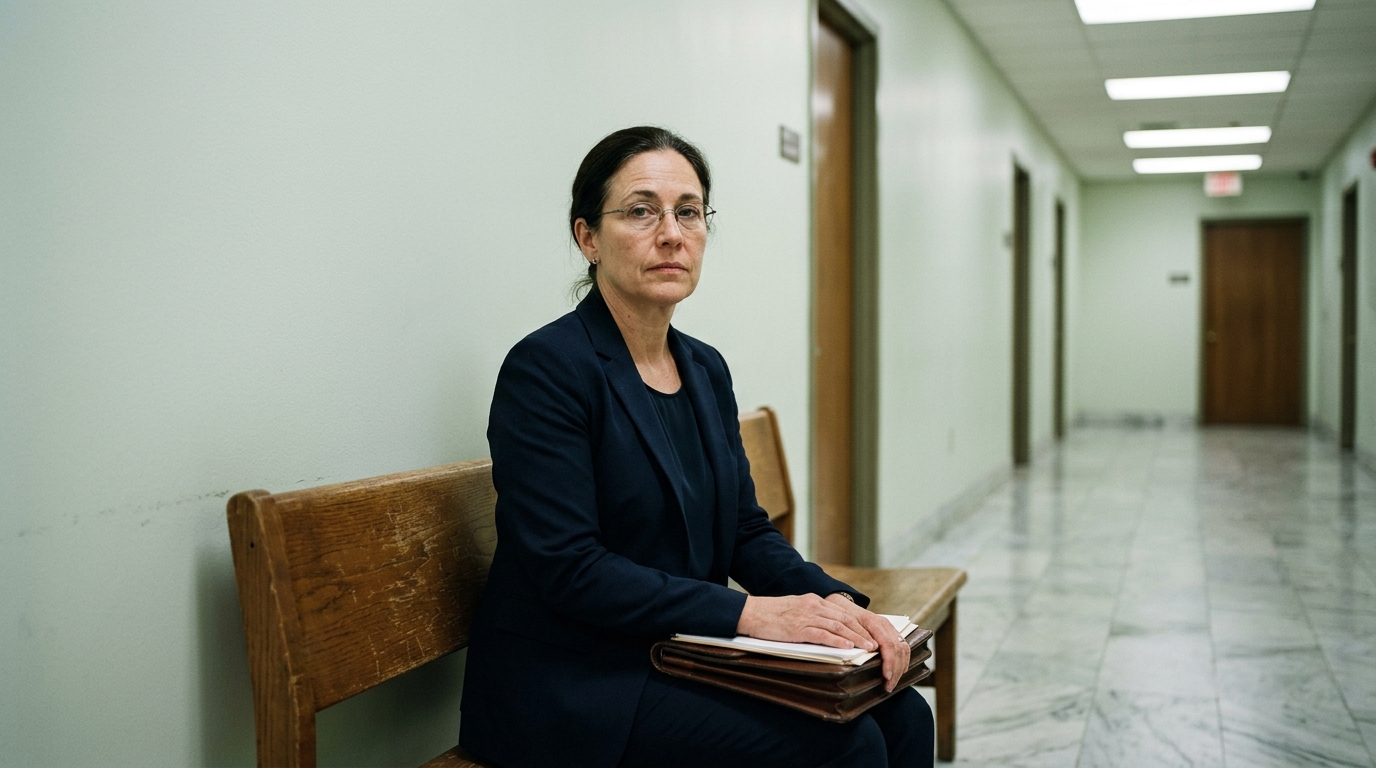
17 Aug Political Tensions in DOJ Unlawful Termination Case
Unlawful Termination Claims Spotlight Political Tensions Within DOJ
A former federal prosecutor has taken legal action against the U.S. Department of Justice, alleging her firing was politically driven. Sunita Doddamani, once an assistant U.S. attorney in Michigan’s Eastern District, claims her dismissal was retaliation. She had prosecuted anti-abortion activists under the Freedom of Access to Clinic Entrances Act (FACE Act).
Political Motivation Behind Dismissals
This lawsuit throws a spotlight on a heated debate within the DOJ. Doddamani accuses the department of using politically motivated terminations to silence those involved in politically sensitive cases. The complaint suggests her firing, along with two other prosecutors, was linked to their involvement in FACE Act cases—cases some critics argue are used to unfairly target anti-abortion activists. The DOJ’s public statement about personnel linked to FACE Act cases being terminated adds weight to her claims.
“Unlawful terminations are a frequent tool of the Trump Administration to achieve its political aims,” the lawsuit states.
Legal and Political Implications
Introduced in the early ’90s, the FACE Act was designed to keep access to reproductive health services open by criminalizing intentional interference. Supporters see it as essential for protecting clinic access, while opponents argue it limits free speech. Doddamani’s lawsuit suggests her firing breached the Civil Service Reform Act, the Administrative Procedure Act, and constitutional amendments. She’s seeking reinstatement, backpay, and other remedies.
This case contributes to an intricate narrative about the DOJ’s enforcement of the FACE Act and its broader political and legal ramifications. It brings up tough questions about how law enforcement intertwines with political influence—a theme with a history in the department.
Broader Context of DOJ Firings
Doddamani’s lawsuit mirrors a pattern noted during President Trump’s administration. DOJ personnel were reportedly dismissed for handling cases that clashed with the administration’s policies. With the current political climate around reproductive rights, the lawsuit’s timing amplifies the scrutiny on the DOJ’s actions.
The resolution of this legal challenge could create a benchmark for handling politically sensitive cases in federal departments. It could influence prosecutorial independence, both now and in the future. As this case unfolds, it’ll likely stoke the ongoing debate about balancing political directives with judicial impartiality.
Doddamani’s lawsuit doesn’t just seek personal justice—it challenges the broader impact of political influence in federal law enforcement. It underscores the need for transparency and adherence to legal standards in personnel decisions.
No Comments