







20 Aug Political Tensions Over Environmental Policies
Political Tensions Over Environmental Policies
Political Tensions Rise Over Environmental Policies
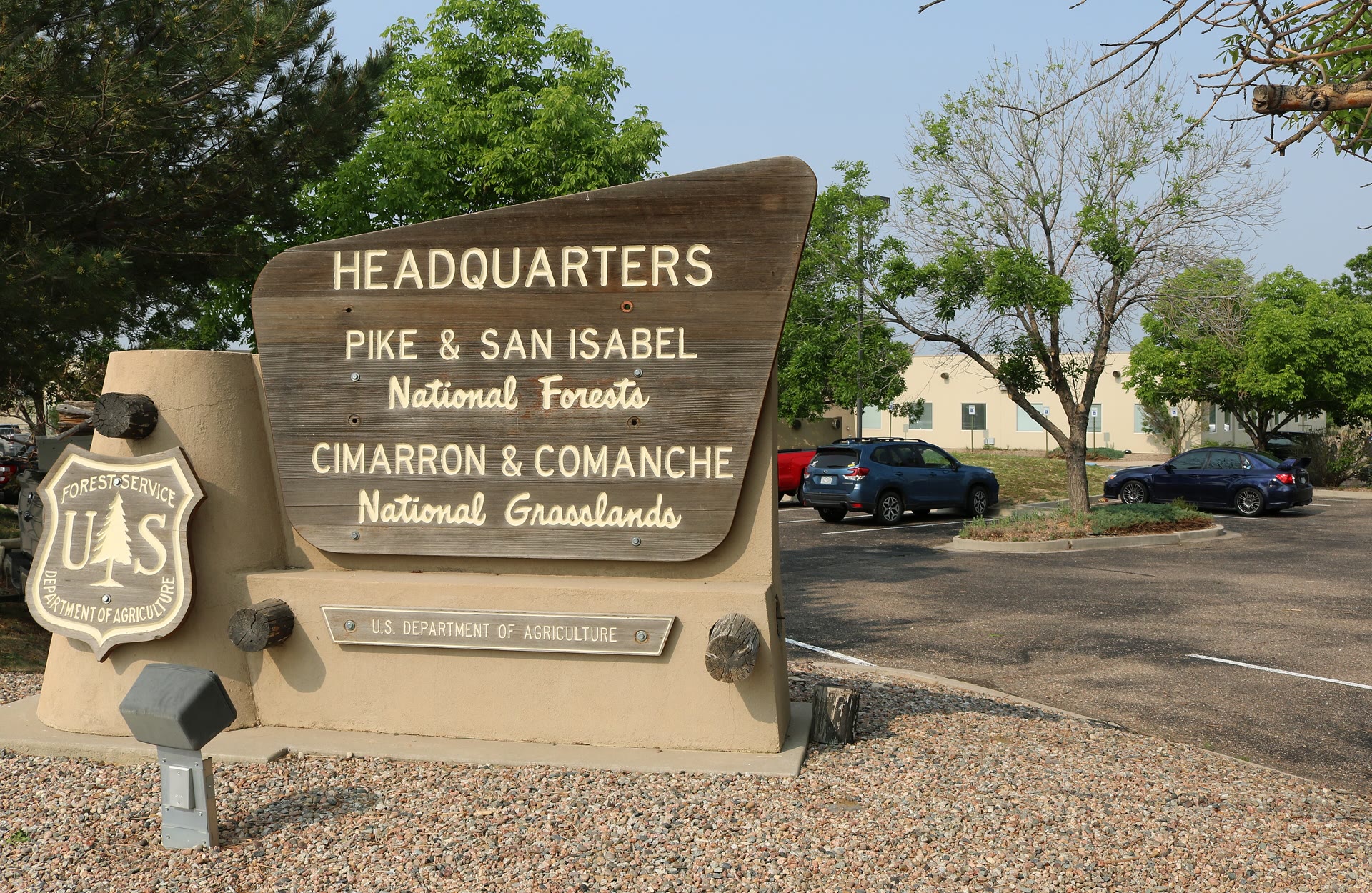
The Trump administration’s recent decision to revisit the “roadless rule” has set off a political firestorm. The rule, which restricts road construction and logging on millions of acres of national forest, has sparked debate since its introduction by the Clinton administration back in 2001. Now, with the administration moving to potentially allow more commercial activity, the broader debate about balancing economic development with environmental conservation is once again front and center.
Clashing Perspectives on Forest Management
Supporters of the rule change, including Republican governors from Montana, Utah, and Wyoming, argue that lifting the restrictions will boost economic activity and improve forest management. They believe that having the flexibility to make decisions based on the specific needs of each forest will enhance both economic output and ecological health. Utah Governor Spencer Cox remarked, “Rescinding it restores the flexibility to make thoughtful decisions based on the needs of each forest and each community.”
On the flip side, environmental advocates warn that relaxing protections could lead to increased logging and mining activities, posing a threat to biodiversity and worsening the $6 billion road maintenance backlog that the U.S. Forest Service currently manages. Steve Ellis, president of Taxpayers for Common Sense, argued, “Before the roadless rule, we would have money-losing timber sales that would cost taxpayers billions of dollars.”
Implications for Conservation and Economic Policy
This potential policy shift unfolds against a backdrop of severe environmental challenges, like the summer’s intense wildfires across Western states. The 2020 Creek Fire, which devastated parts of California’s Sierra National Forest, highlights the ongoing risks to these protected lands. Critics of changing the policy argue that keeping the roadless rule is vital for preserving ecosystems and preventing further environmental degradation.
However, the Trump administration and its allies believe modifying the rule will encourage a more sustainable and profitable use of forest resources. U.S. Department of Agriculture Secretary Brooke Rollins underscored the need for change, stating, “Our forests can’t afford another decade of inaction.”
Looking Ahead: The Future of U.S. Forest Policy
The debate over the roadless rule exposes deeper divisions within U.S. environmental policy, reflecting broader conversations about balancing economic interests with environmental stewardship. As the administration advances its proposal, the ensuing discussions and decisions will likely shape the future of forest management and conservation efforts across the nation.
Ultimately, the outcome of this policy debate will determine not just the fate of millions of acres of forest land but also set a precedent for how the United States tackles the intersection of economic development and environmental protection in the coming years.
No Comments