






23 Jul Redistricting’s Impact on U.S. Politics and Race
Redistricting and Middle East Tensions: A Double-Edged Sword in U.S. Politics
Recent events showcase how domestic and foreign policy in U.S. politics are more connected than they might seem. On one front, Republican-led states are diving headfirst into redistricting debates, sparking discussions over representation and racial equity. On another, the Middle East’s geopolitical landscape—with Iran, Saudi Arabia, and Israel at its core—continues to evolve under U.S. diplomatic influence.
Redistricting: A Political Tool with Racial Implications
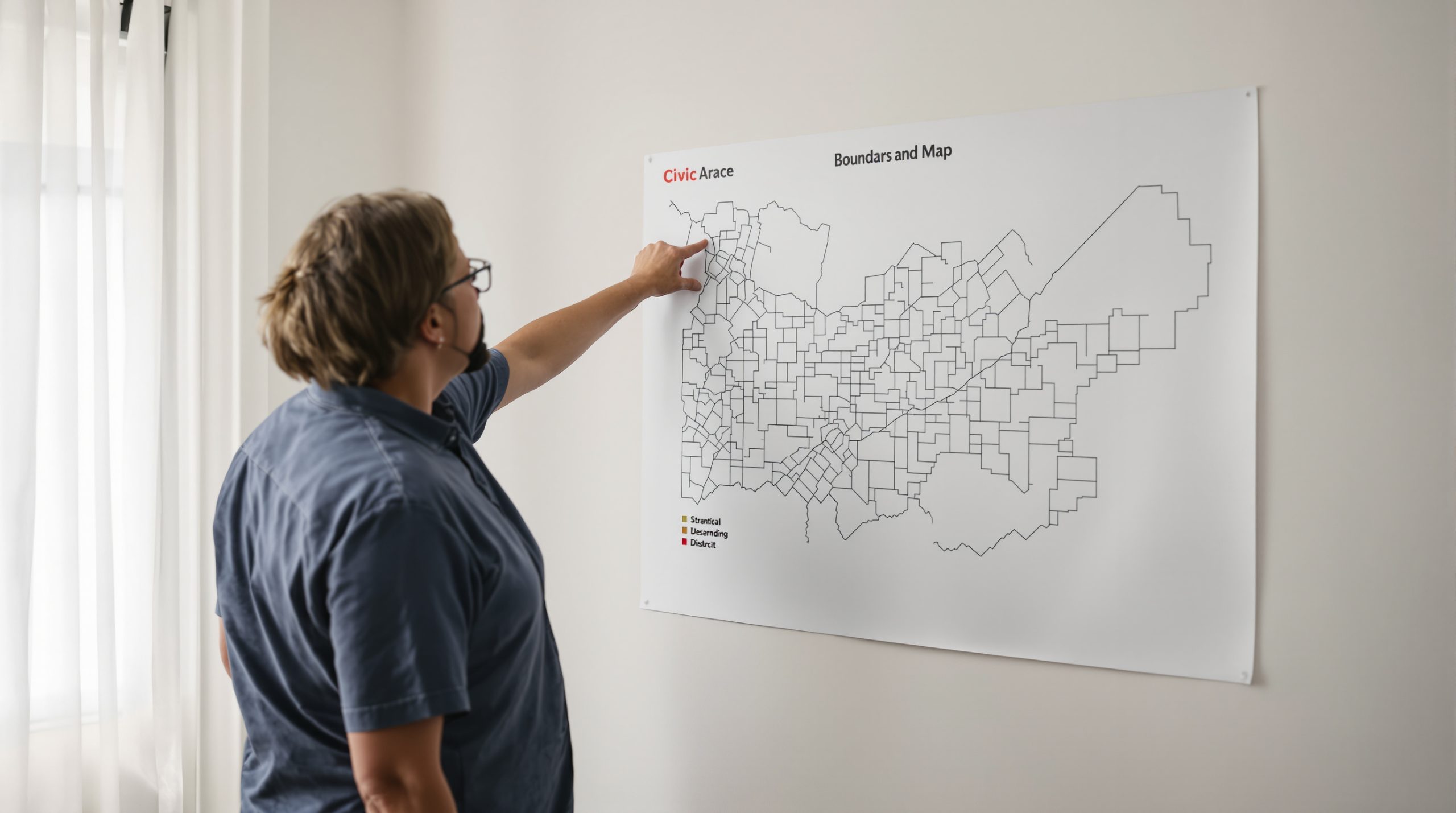
In states like Texas, Florida, and Louisiana, redistricting is shaking up the political scene, especially for Black voters. NPR reports that these changes have carved up predominantly Black districts, spreading these communities across majority-white areas. Moves like this are raising alarm bells about racial gerrymandering, especially following a U.S. Supreme Court ruling that weakened the Voting Rights Act’s defenses against such tactics.
Take Texas, for example. The redistricting there has already tipped the scales of power in the Houston metro, significantly reducing Black representation. Florida and Alabama are on a similar path, redrawing district lines to favor Republican candidates. This strategic play seems poised to boost Republican chances before the midterms, sparking debates over the integrity and fairness of democracy itself.
Middle East Dynamics: The U.S. and Saudi Nuclear Deal
Switching gears to international affairs, President Trump’s recent reveal of a nuclear energy deal with Saudi Arabia layers complexity onto the global stage. NPR points out that this deal hinges on Saudi Arabia normalizing relations with Israel—a condition linked to the U.S.-brokered Abraham Accords. It’s a bold shift in Middle Eastern diplomacy, with Israel and some U.S. officials cautiously optimistic about the potential outcome.
“Saudi Arabia’s joining of the Abraham Accords would be an historic leap forward for peace in the Middle East,” declared the Israeli Prime Minister’s office, emphasizing the strategic weight of this potential alliance.
Yet, the condition throws a wrench into the works, as Saudi Arabia has long pegged normalization with Israel to the creation of a Palestinian state. The situation underscores the tangled web of Middle Eastern politics, where diplomatic deals often depend on wider geopolitical factors.
Political Consequences and Future Implications
These developments highlight the complex challenges the U.S. faces in balancing domestic and foreign policy. At home, redistricting stirs up debates on fairness and representation, while internationally, the Saudi nuclear deal reflects the Middle East’s delicate power dynamics.
As these stories unfold, they shed light on the intricate dance between race, representation, and international diplomacy. The ripple effects could shape U.S. domestic policy and its global role. In an era marked by increasing polarization and global tensions, skillfully navigating these complex issues is crucial for policymakers.
No Comments