







30 May Socialism, Communism, and Global Political Tensions
Complex Dynamics of Socialism, Communism, and Global Political Tensions
Political ideologies are ever-evolving, and global tensions are escalating. The intersection of socialism, communism, and geopolitical dynamics? It’s a tangled web. With socialist candidates gaining ground in U.S. swing states, Cuba on the verge of change, and Ukraine prepping for Russian aggression, the intricate political influence shaping our world is on full display.
Socialism’s Growing Influence in the United States
Socialist candidates aren’t just making headlines—they’re making inroads, particularly in swing states. Francesca Hong, for example, is tapping into widespread cost-of-living fears to gain momentum. This is more than a trend; it reflects a cultural shift. Voters are craving alternatives to traditional politics. What draws them in? These candidates’ focus on tackling economic disparities—a message that resonates in uncertain times.
Cuba: A Nation on the Brink of Change
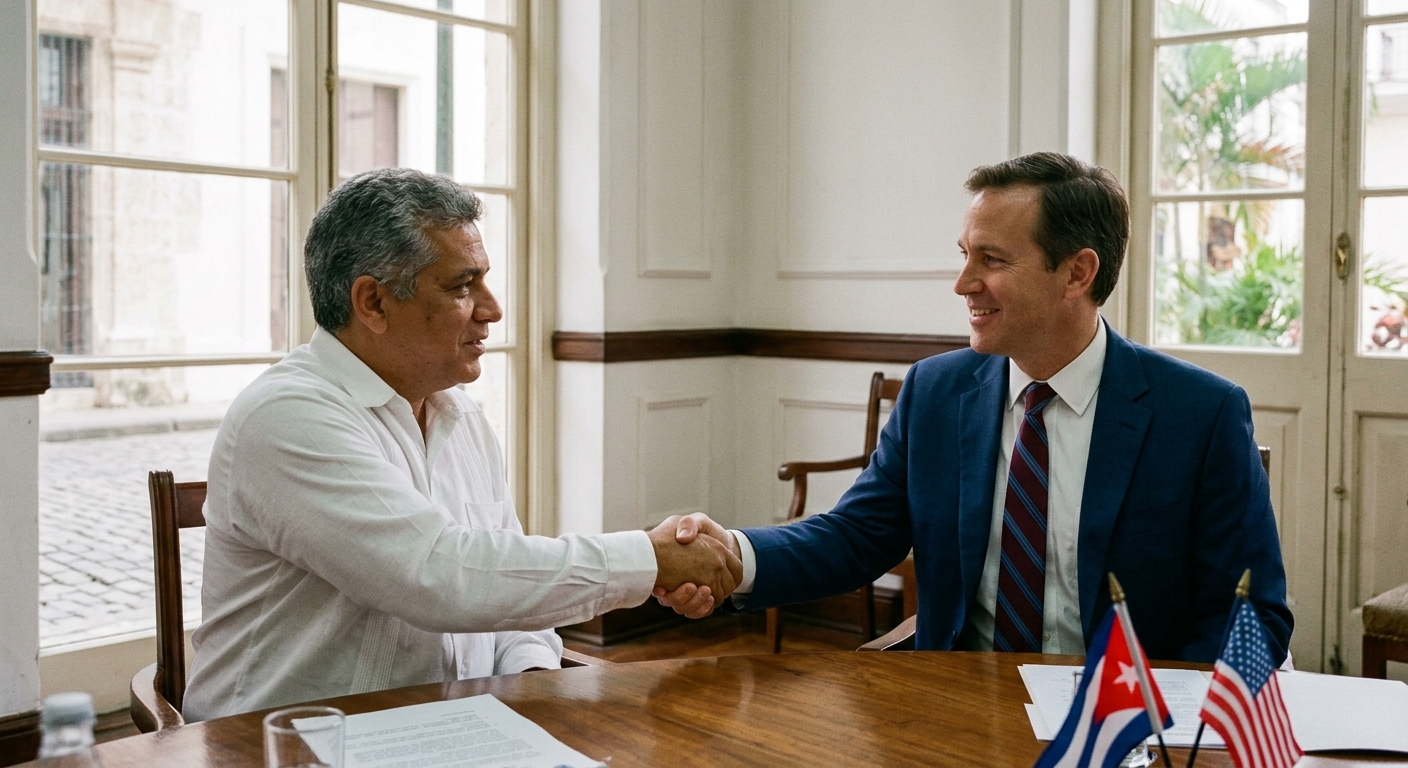
Then there’s Cuba, where the communist regime is under renewed scrutiny. The U.S. attorney general’s indictment of Raúl Castro highlights the island’s political complexities. Castro’s public presence may be dwindling, but his influence? Still strong. The charges—linked to a 1996 incident where civilian planes were downed—symbolize the enduring tensions between Cuba and the U.S. As Cuba’s economic woes worsen, the question of regime change looms larger than ever.
Ukraine’s Ongoing Struggle with Russian Aggression
Across the Atlantic, Ukraine’s on edge. President Volodymyr Zelensky warns of imminent Russian attacks. Intelligence from U.S. and European allies paints a grim picture: escalation seems likely. It’s a stark reminder of the shaky power balance in Eastern Europe and the persistent Russian threat. Zelensky’s urgent plea underscores the global stakes, as the conflict continues to capture international concern.
Common Ground Amidst Protests: A Domestic Perspective
Back in the U.S., New Jersey Governor Mikie Sherrill and DHS Secretary Markwayne Mullin show that bipartisan collaboration isn’t just possible—it’s happening. Their coordinated response to protests outside a Newark immigration detention center is a pragmatic governance model. By deploying state police to maintain peace, they highlight the delicate balance between civil liberties and public safety. This resonates deeply in today’s national political discourse.
The convergence of these diverse narratives—rising socialism in America, Cuba’s potential shift, Ukraine’s defensive stance, and domestic bipartisanship—paints a vivid picture of our global political landscape. As these stories unfold, they challenge old perceptions and highlight the multifaceted nature of political influence in an era marked by rapid change and information overload.
No Comments