






15 May Tensions Rise in Global Power Dynamics
Tensions and Controversies Escalate Amid Global Power Plays
The world stage is heating up. Recent events across the globe are shining a light on power struggles and influence battles. From the strategic Strait of Hormuz to Tennessee’s changing congressional maps, these happenings underscore the tangled web of global and domestic politics.
Strait of Hormuz: A Flashpoint of Economic and Military Power
Things are getting tense near the Strait of Hormuz. A ship was seized by unidentified forces, and another cargo vessel sank near Oman. Who’s behind it? No one knows for sure, but the message is clear: the strait’s strategic importance can’t be ignored. It’s a critical artery for the world’s oil supply.
The U.S. and Iran are both jockeying for control over this crucial passage. Meanwhile, a meeting between U.S. President Donald Trump and Chinese leader Xi Jinping resulted in an agreement on the importance of keeping the strait open. This deal underscores its vital role in maintaining both global energy security and economic stability.
Migration Narratives: Echoes of Controversial Ideologies
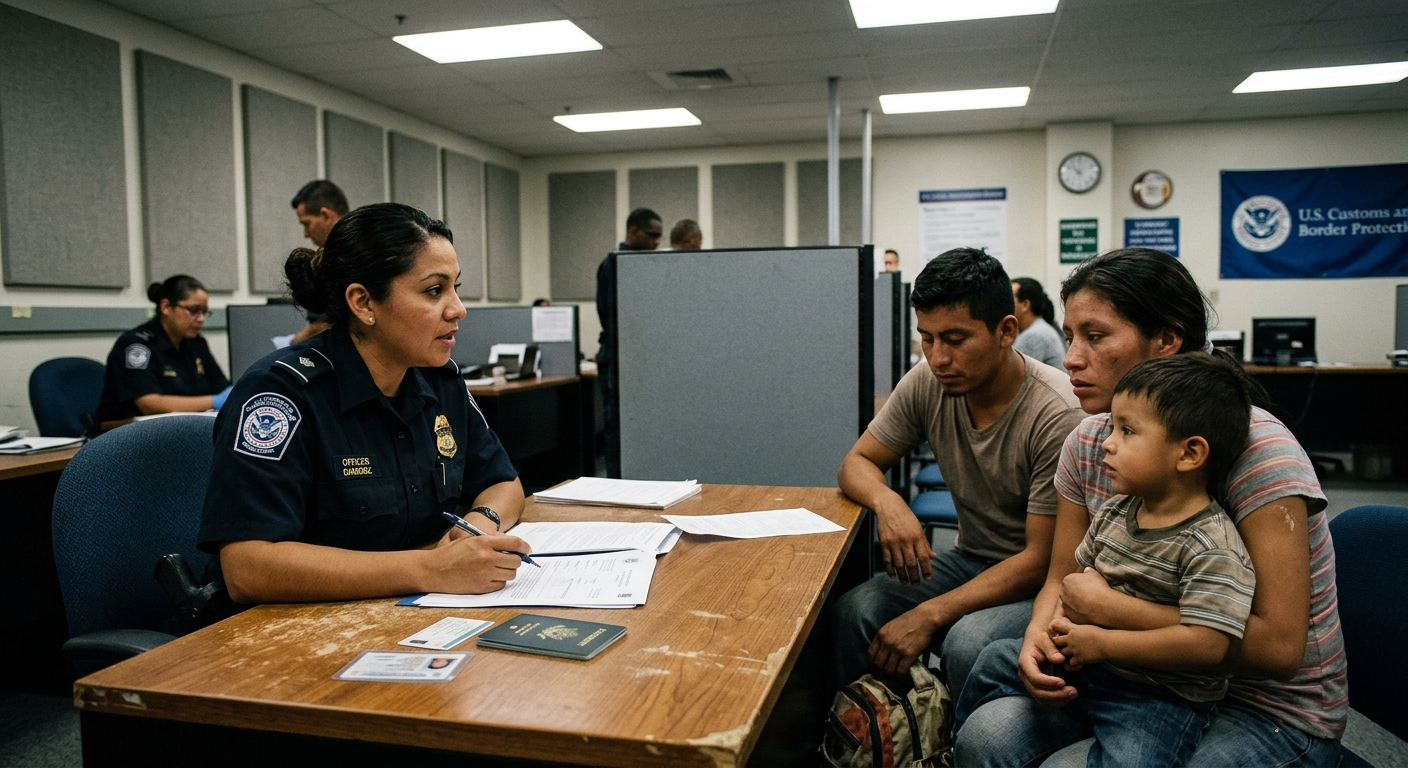
Back in the United States, the Trump administration’s rhetoric on migration and refugees has sparked heated debate. Critics say it echoes the “Great Replacement” theory, pushed by far-right groups. This has set off alarms about extremist ideologies influencing U.S. policy, affecting how America is perceived both at home and abroad.
The way these narratives shape public opinion and policy is significant. They influence national approaches to migration, raising concerns about how far these ideologies have penetrated government thinking and their impact on social harmony and international relations.
Redistricting in Tennessee: A Microcosm of Electoral Politics
Over in Tennessee, the redrawing of congressional maps has stirred up discussions on representation and racial fairness. The new divisions, which split Memphis into three Republican-heavy districts, have drawn criticism from Democrats and voting rights groups. They argue it dilutes Black voting power. This follows a Supreme Court decision that weakened parts of the Voting Rights Act, paving the way for similar moves in other states.
Supporters of the new maps claim they better reflect Tennessee’s demographic reality. But critics see a continuation of racially biased practices that haunt the South. The ensuing legal battles underscore the ongoing fight for fair representation and the deep entanglement of race and politics in the U.S.
A Broader Perspective on Power and Influence
Despite their differences, these events collectively highlight the complex nature of power and influence today. Whether it’s controlling vital shipping lanes, shaping migration discourse, or redrawing political lines, the common thread is the relentless quest for power and the crafting of public perception.
As these stories develop, they remind us of the need to critically assess the narratives presented by those in power. Their impact on global stability, national policies, and individual lives can’t be overstated. The challenge? Navigating these tricky waters while ensuring that the pursuit of power doesn’t trample over justice and equity.
No Comments