



02 Jul Trump’s Rhetoric Sparks European Unity
The Unintended Consequences of Trump’s Rhetoric: A Unified Europe Emerges
Political landscapes can be unpredictable, with alliances often forming in the wake of contentious circumstances. Lately, we’ve witnessed a notable shift in European unity—not born from internal agreements, but driven by external pressures, particularly from the United States under former President Donald Trump.
Trump’s Criticism: A Catalyst for Unity
Donald Trump’s presidency was characterized by a string of diplomatic clashes with leaders worldwide. His recent criticisms of Italy’s Prime Minister Giorgia Meloni add to this pattern. Trump’s remarks about Italy’s reliability and Meloni’s political motives have inadvertently sparked a unique camaraderie among European leaders.
Meloni, with her hard-right roots, had been kept at a distance by mainstream European figures. Yet, Trump’s critiques have led these leaders to rally around her, changing the political dynamics in Europe. This newfound unity isn’t just about backing Meloni. It’s part of a broader strategy for European nations to present a united front against external pressures from the U.S. and China.
Strategic Implications for Europe
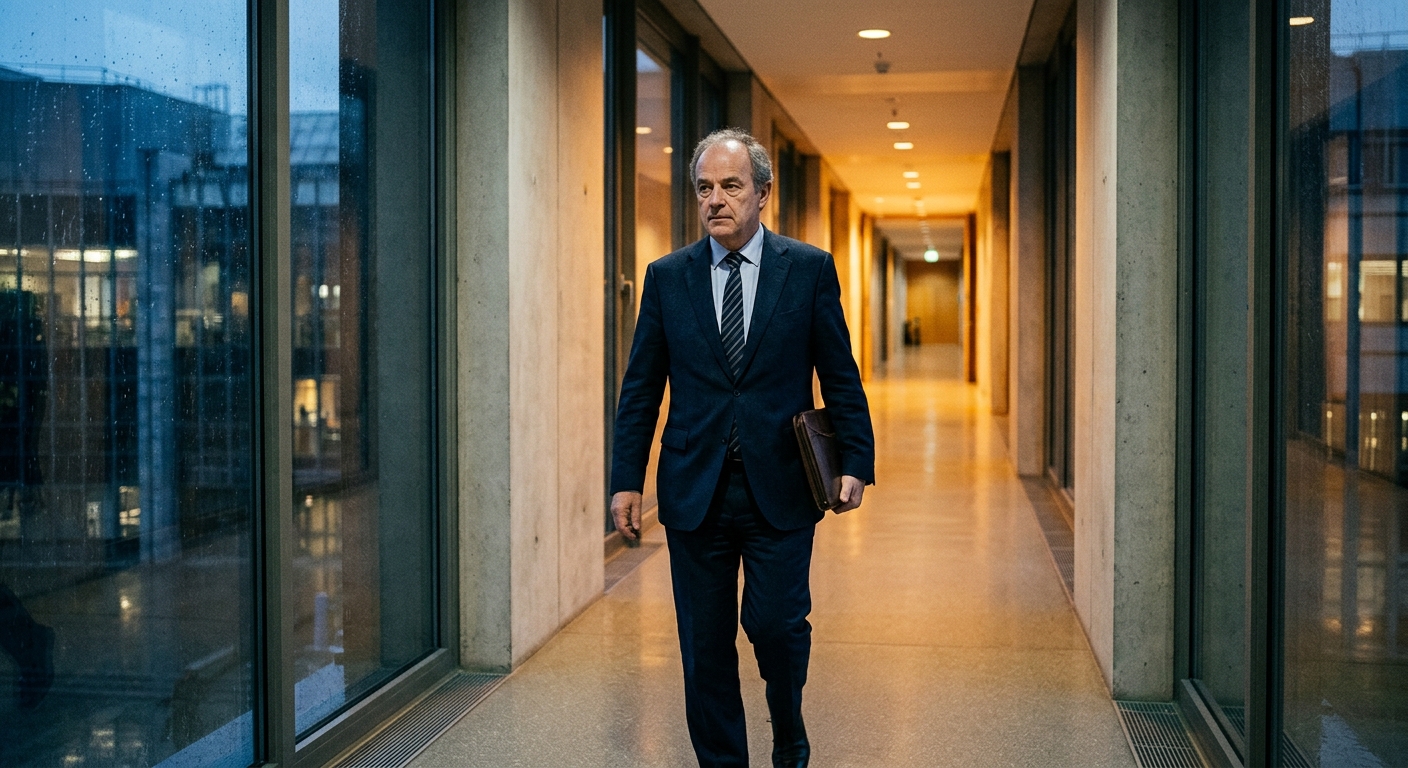
Now, Europe’s leaders are more in sync than ever on critical issues like defense, tariffs, and foreign policy. The unified European response to challenges such as the Ukrainian conflict, trade disputes with China, and Russian threats reflects a need to maintain geopolitical clout. In a world where they’re often caught between U.S. and China, this unity is deemed essential.
This strategic shift was clear at a recent NATO summit in Turkey. European leaders showcased unprecedented cooperation—a level of collaboration that had been hard to achieve in the past. The message is clear: acting as a bloc is Europe’s best bet to exert influence on the global stage.
Nationalist Parties Recalibrate
This wave of unity hasn’t gone unnoticed by Europe’s nationalist parties, many of which once embraced Trump’s ideology. Leaders like France’s Jordan Bardella are reassessing their stance, seeing that Trump’s policies—especially on trade and Iran—are increasingly unpopular with their voters.
Bardella’s recent remarks, calling Trump’s actions “foreign interference” and describing him as “erratic,” suggest a shift from his earlier support. This recalibration indicates a changing landscape where European unity offers more political leverage than aligning with American nationalist rhetoric.
A New Chapter for Europe
The current political climate poses both challenges and opportunities for Europe. As European leaders come together, they not only counter external pressures but also redefine their global roles. This reflects a broader cultural shift in European politics—one that values collective action and strategic independence over individual national interests.
The future may be uncertain, but the unintended effect of Trump’s rhetoric has been a surprising boost for European solidarity. As Europe embarks on this new chapter, the impact of this unity will likely be felt far beyond the continent’s borders.
No Comments