







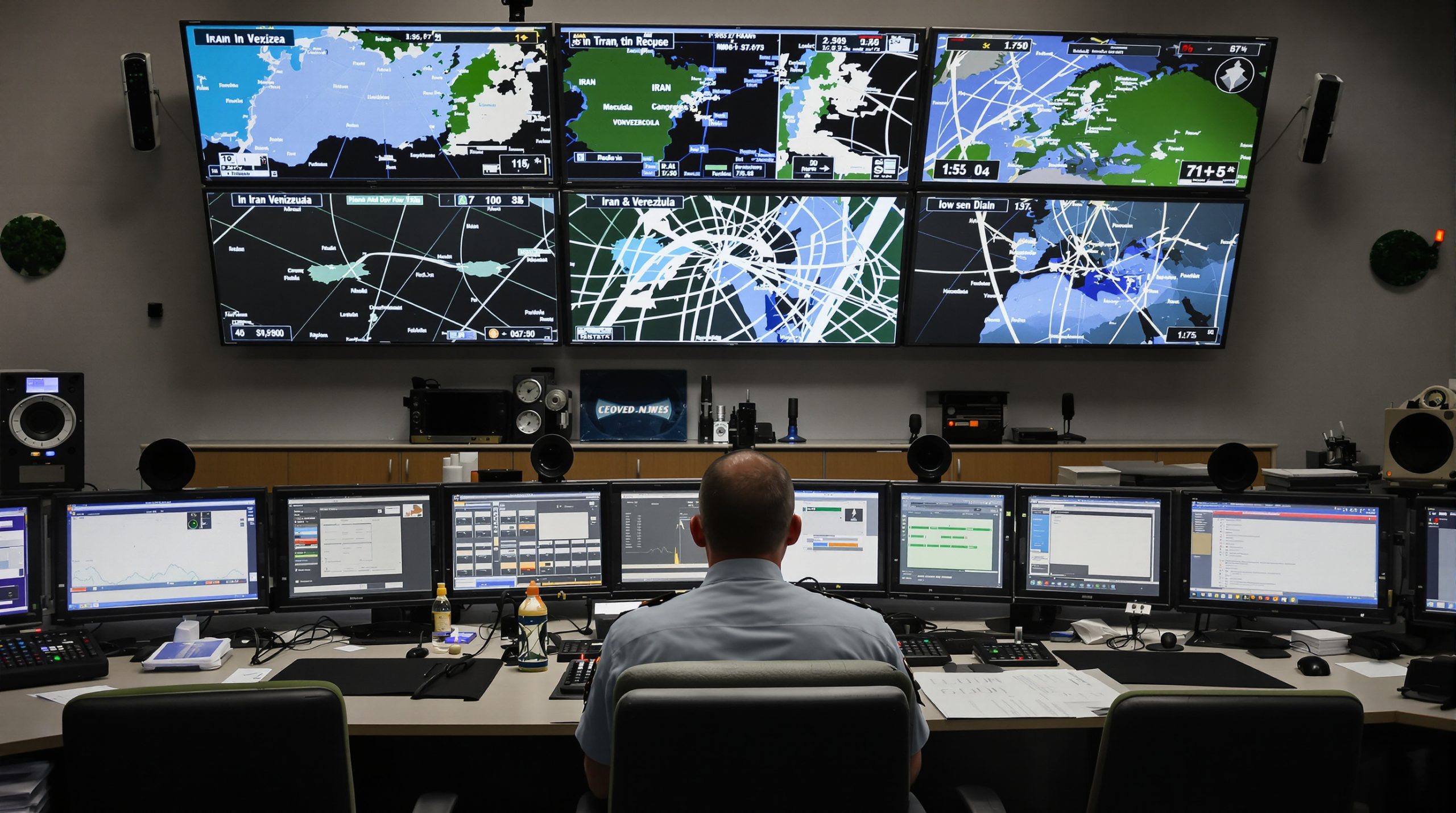
23 May Trump’s Strategic Moves in Iran and Venezuela
Trump’s Strategic Moves: Navigating Tensions in Iran and Venezuela
Global politics and military maneuvers are always in flux, and the United States’ dealings with Iran and Venezuela lately highlight the complex web of diplomacy and military strategy at play.
US-Iran Negotiations: A Potential Breakthrough
President Donald Trump declared that a deal with Iran, including the reopening of the critical Strait of Hormuz, is “largely negotiated.” This comes after talks with regional allies like Saudi Arabia, Israel, and Egypt. The proposed pact aims to end the ongoing conflict in the Middle East and begin discussions on Iran’s nuclear aspirations.
The Strait of Hormuz is a big deal. A vital route for a large chunk of the world’s oil trade, its reopening could shake up economic and geopolitical landscapes. But sealing the deal won’t be easy—last-minute obstacles could still throw a wrench in the works. The negotiations, guided by Pakistan, highlight the delicate diplomatic acts required to keep peace in the region.
“We want this to include the main framework for further discussions,” said Esmail Baghaei, Iran’s Foreign Ministry spokesperson, hinting at cautious optimism about the talks’ potential results.
Venezuela: A Show of Military Readiness
Over in Venezuela, the U.S. demonstrated rapid response capabilities at its newly reopened embassy in Caracas. This maneuver, featuring Marine Corps Osprey aircraft, was announced by Venezuela’s government. It’s part of a broader strategy to ensure military readiness for emergencies, reflecting the U.S. military’s interest in maintaining a foothold in the region.
With the removal of former President Nicolás Maduro, diplomatic relations between the U.S. and Venezuela have been restored—a major shift in Latin America’s geopolitical scene. The exercise has been received with mixed feelings by locals, some of whom protested the U.S. military presence in their capital.
Implications and Perspectives
- If successful, the proposed Iran deal could be a turning point in U.S.-Middle East relations, potentially calming tensions and stabilizing a historically volatile area.
- Reopening the Strait of Hormuz would not just boost global oil trade but also show that diplomatic solutions to long-standing conflicts are possible.
- The U.S. military exercises in Venezuela reflect a determination to uphold strategic alliances and ensure swift response capabilities in case of crises.
These moves underscore the delicate balance of diplomacy and military strategy driving U.S. foreign policy. As the U.S. threads its way through these complex geopolitical landscapes, the repercussions could echo globally, affecting stability and economic well-being.
No Comments