






28 Jun Ukraine Targets Russia’s Energy Infrastructure
Ukraine’s Strategic Shift: Targeting Russia’s Energy Infrastructure Amid Prolonged Conflict
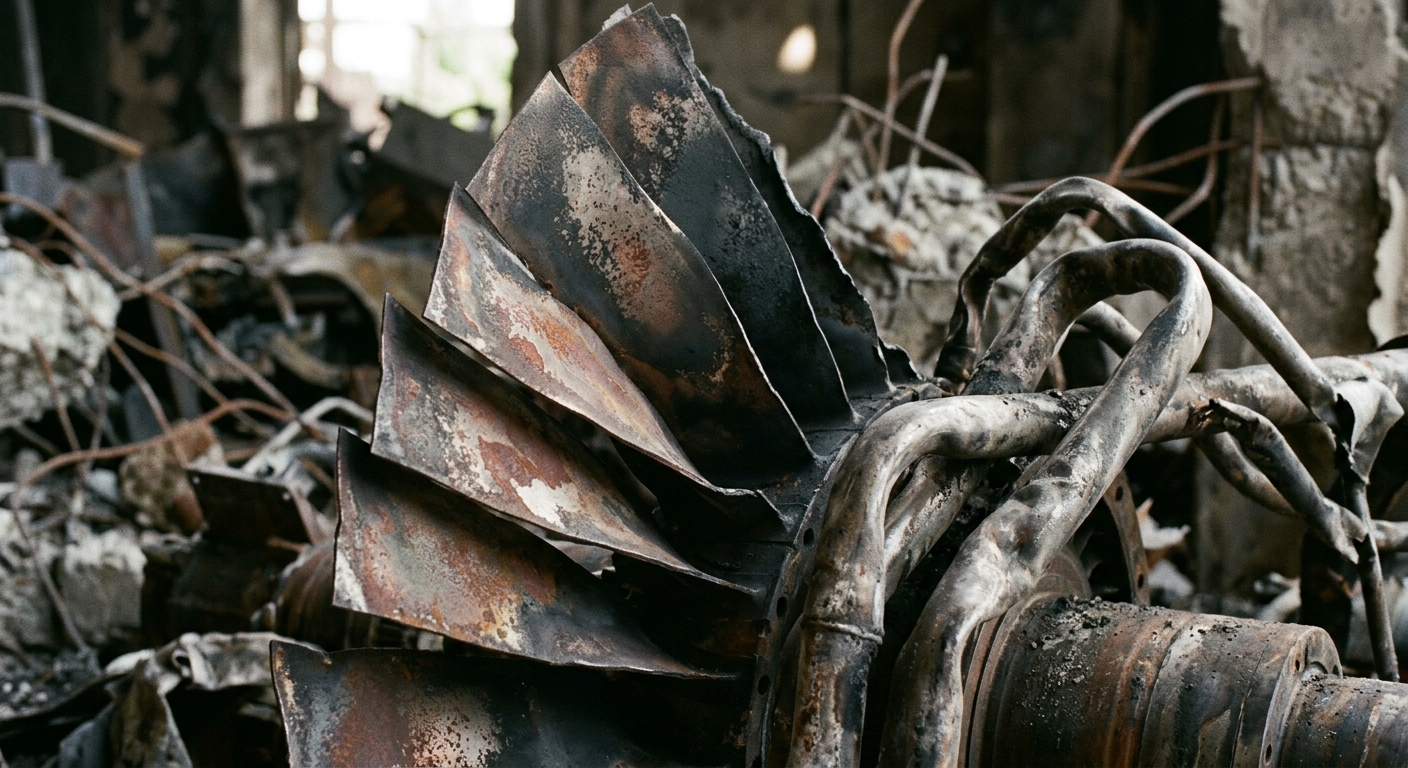
Ukraine has ramped up its drone attacks on Russia’s energy infrastructure, and it’s making waves. A major Russian oil refinery in the Krasnodar region went up in flames—a significant hit. This isn’t just about causing chaos; it’s a calculated move. Ukrainian President Volodymyr Zelenskyy describes these strikes as a way to cut off the resources fueling Russia’s military machine, with hopes of pushing the Kremlin towards the negotiating table.
The Impact of Drone Warfare on Russia’s Energy Sector
Southern Russia’s Slavyansk-na-Kubani refinery, a key player processing around 4 million tons of crude each year, recently became a target. This facility is crucial for exporting petroleum via the Black Sea, underscoring its strategic value. The attack sparked a fire and resulted in at least one casualty—a stark reminder of the cost of this conflict.
Meanwhile, another hit was reported on a refinery in the Yaroslavl region, some 700 kilometers from Ukraine. Though Russian authorities have kept mum, the resulting chaos—airport and road closures—indicates substantial disruption to local infrastructure.
Strategic Implications and Broader Context
Zeroing in on energy infrastructure reflects Ukraine’s game plan to destabilize Russia’s economic and military strength. By striking at facilities integral to Russia’s energy exports, Ukraine aims to choke off Moscow’s war funds. It’s a shift to asymmetrical warfare, using tech and precision strikes to counter traditional military disadvantages.
These attacks roll out against a backdrop of Western sanctions, yet Russia still stands tall as a leading oil and natural gas exporter. Targeting energy routes, especially those serving annexed territories like Crimea, is Ukraine’s attempt to dial up economic pressures on Russia, potentially shaking up both domestic and international politics.
Domestic and International Reactions
President Vladimir Putin himself has acknowledged the “difficult period” these attacks usher in for Russia. The strain on resources and infrastructure could push the Kremlin towards diplomacy, though the broader geopolitical consequences remain uncertain.
Globally, Ukraine’s strategy might draw mixed reactions. Some countries could see it as a justified defensive tactic in an uneven fight, while others may worry about potential escalations or civilian harm.
“Each strike means a reduction in the resources that fuel the Russian war machine, and another step toward peace,” Zelenskyy stated, summing up these operations’ dual goals: weakening Russia’s combat capabilities and pushing for talks.
The conflict is now five years in, with military tactics evolving and their consequences for regional stability and international relations under close watch. The interplay of military action and diplomacy paints a complex picture of today’s geopolitical landscape, where technology and economics blur traditional battle lines.
No Comments