







23 May U.S. Diplomatic Efforts and Immigration Policy Changes
“`html
U.S. Diplomatic Efforts in India and Immigration Policy Changes: A Complex Political Landscape
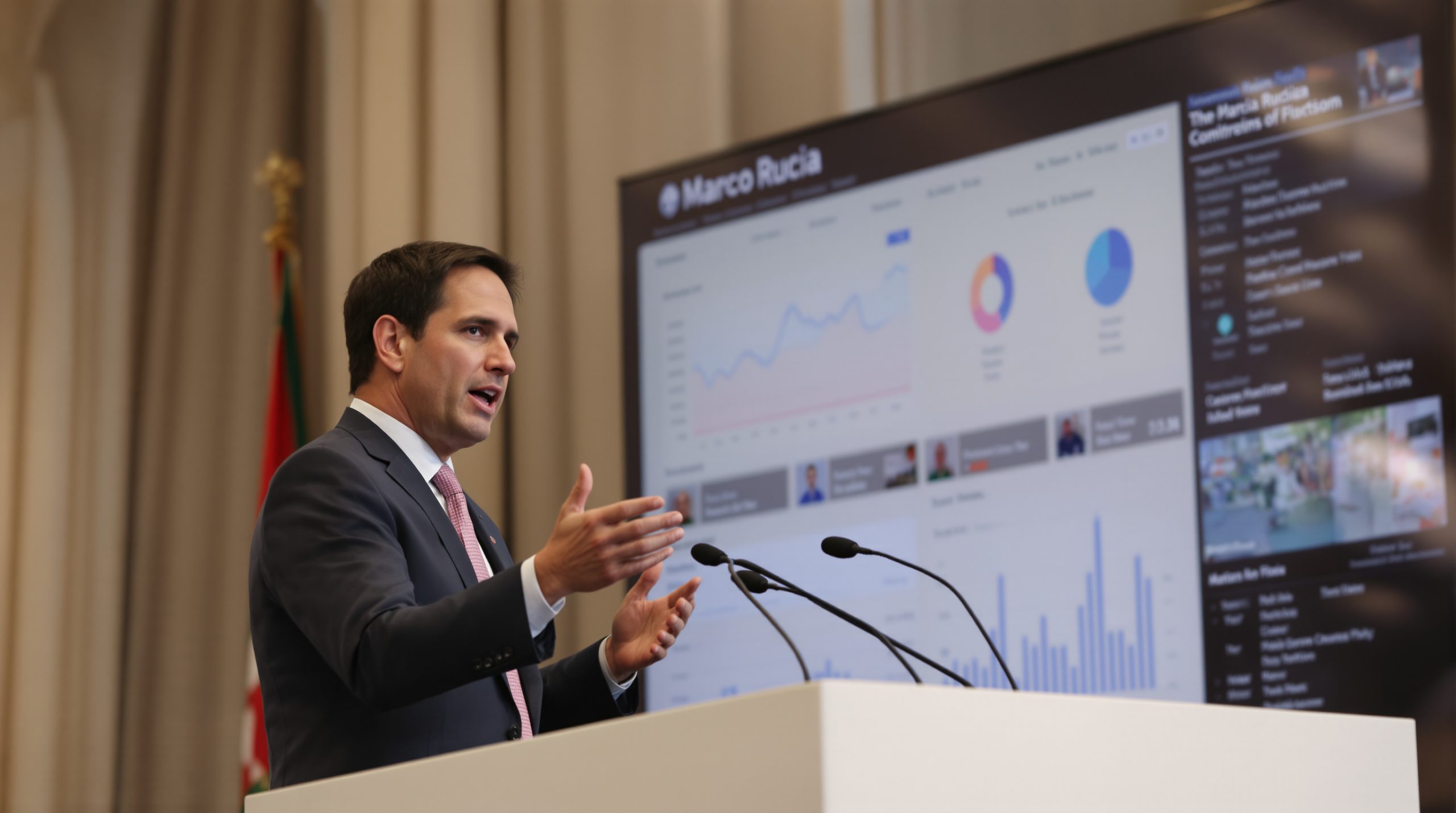
As U.S. Secretary of State Marco Rubio sets off on a diplomatic journey to India, significant shifts in immigration policy are taking shape back home under the Trump administration. This juxtaposition of events showcases the intricate tapestry of U.S. political strategies—both on the home front and abroad.
Rubio’s Diplomatic Mission in India
Marco Rubio’s trip to India highlights a strategic move by the United States to bolster and repair relations with a key ally in the Indo-Pacific. The visit includes participation in the Quad ministerial meeting alongside India, Australia, and Japan, aimed at tackling broader geopolitical issues—especially China’s assertive stance in the South China Sea.
Rubio’s schedule is packed. It features cultural stops at places like the Missionaries of Charity in Kolkata and political discussions with Indian Prime Minister Narendra Modi and External Affairs Minister Subrahmanyam Jaishankar. These activities reflect the U.S.’s multifaceted diplomatic approach, blending cultural interactions with strategic talks on trade, tech, and defense.
Immigration Policy Shifts Under Trump
While Rubio navigates international relationships, the Trump administration is implementing major changes to immigration policies, affecting foreign nationals living in the U.S. A key change requires foreigners to seek green cards from their home countries, a noticeable shift from traditional immigration practices. It’s all part of a strategy to restrict paths to permanent residency and eventual citizenship.
This policy has sparked concerns among immigration advocates and legal experts, who argue it could disrupt families and deter skilled workers. The repercussions are far-reaching, impacting a range of immigrants—from those on student visas to asylum seekers.
The Broader Political Context
The simultaneous occurrence of Rubio’s diplomatic mission and the immigration policy overhaul highlights a complex political landscape where domestic and international strategies are closely linked. The U.S. projects strength and leadership globally while tightening immigration controls at home—a dual focus that reveals the current administration’s priorities.
The implications are significant, influencing relationships with vital allies and shaping the perception of American policy both stateside and internationally. As these stories unfold, they underscore the necessity for a nuanced understanding of the interplay between domestic policies and international diplomacy.
“`
No Comments