







24 May U.S.-India Relations Amid Global Economic Shifts
U.S.-India Relations Face Diplomatic Hurdles Amid Global Shifts
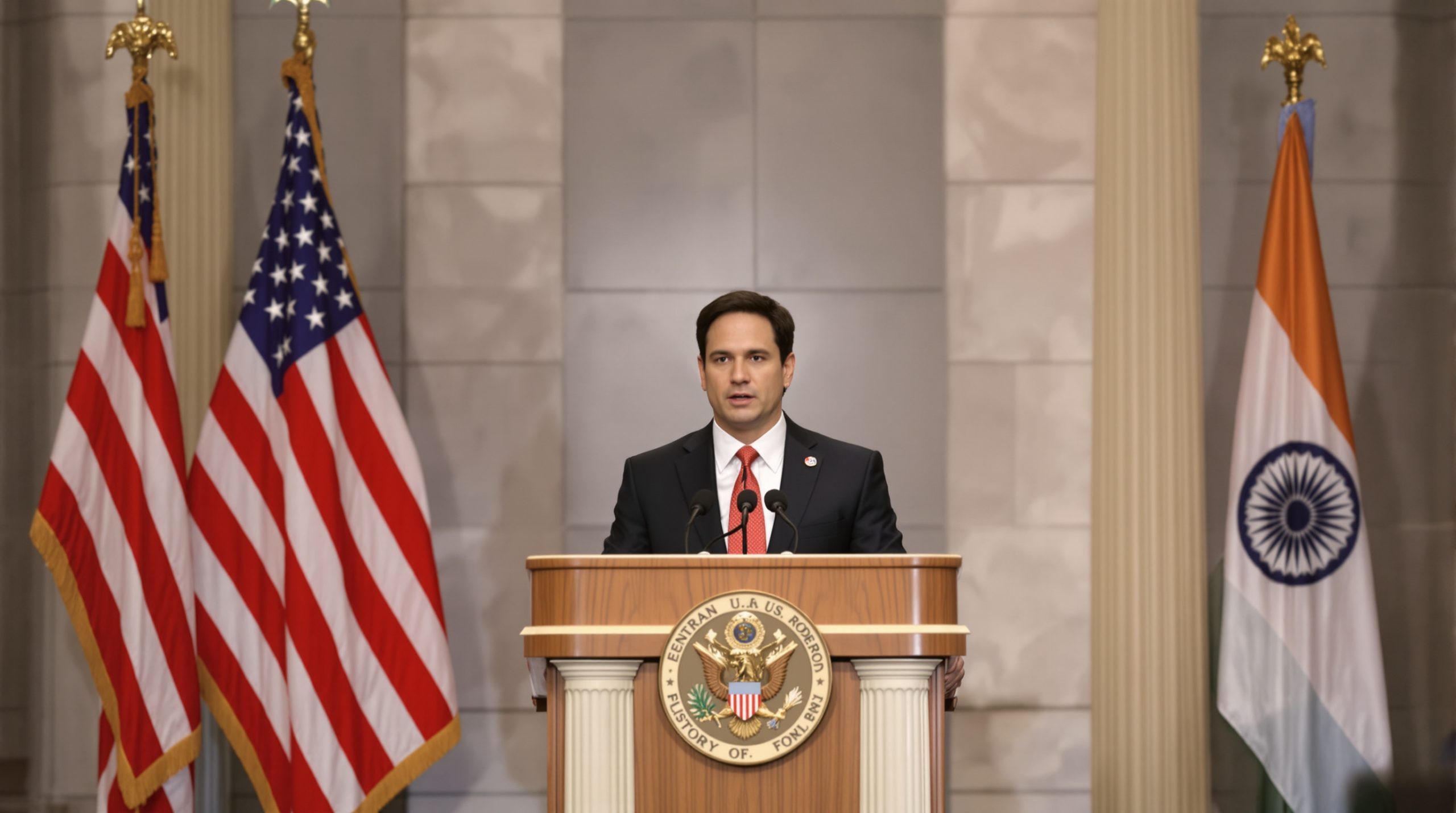
In these times of changing global alliances and economic shifts, U.S. Secretary of State Marco Rubio’s recent visit to India stands out. It’s his first official trip to this South Asian powerhouse, signaling the intricate dance of keeping U.S.-India relations afloat. Ties are tense, not least because of the economic policies of former U.S. President Donald Trump, which hiked tariffs on Indian goods.
Recalibrating Strategic Partnerships
Rubio sat down with Indian Foreign Minister Subrahmanyam Jaishankar in a bid to recalibrate and bolster their strategic partnership. Both leaders pushed for aligning national interests, despite Trump-era trade hiccups. For the U.S., India is a pivotal player in the Indo-Pacific—a view Jaishankar mirrors, pointing to joint interests in energy security and global trade.
“I don’t view our relation with any country in the world as coming at the expense of our strategic alliance with India,” Rubio declared during a joint press briefing. That statement reveals the tightrope the U.S. is walking in its foreign policy, especially concerning its Indo-Pacific strategy.
Global Trade Dynamics and Energy Security
Look at India’s recent trade deals with Oman, New Zealand, the UK, and the EU. It’s a clear pivot to diversify economic partners. This move underscores India’s drive to secure stable, affordable energy for its burgeoning population—a priority Jaishankar shares. The U.S., flush with energy exports, remains a key player, though India isn’t putting all its eggs in one basket, opting instead for a broad slate of international suppliers for resilience and cost-effectiveness.
As global trade evolves, both countries are keen on safeguarding maritime commerce, with particular focus on the Strait of Hormuz. Their shared goal of securing these sea routes highlights the strategic significance of U.S.-India ties, even if their national priorities sometimes diverge.
The Broader Context of Global Security and Domestic Concerns
Even as Rubio aims to mend U.S.-India relations, domestic security looms large at home. Religious leaders and lawmakers are pressing Congress for more funds to beef up security at U.S. houses of worship. With hate crimes on the rise and recent attacks on religious sites, there’s an urgent call to tackle domestic vulnerabilities alongside global diplomatic ventures.
“We are not asking Congress to just protect Jews – we are asking Congress to protect every community of Americans that gathers to pray,” stated Rabbi Jen Lader. Her words spotlight the intersection of domestic policy and community safety, issues that strike a chord with many Americans.
Navigating a Complex Global Landscape
As the U.S. treads these tangled global and domestic paths, Rubio’s diplomatic mission in India marks a vital move toward rebuilding trust and cooperation. Wrestling with aligning national interests, ensuring energy security, and managing domestic concerns is emblematic of a world in constant flux. These efforts underline the need for resilient partnerships that can weather the ever-changing geopolitical storm.
No Comments