




21 Jun U.S.-Iran Negotiations Amidst Political Tensions
Diplomatic Tensions and Political Polarization: Global Events Unfold
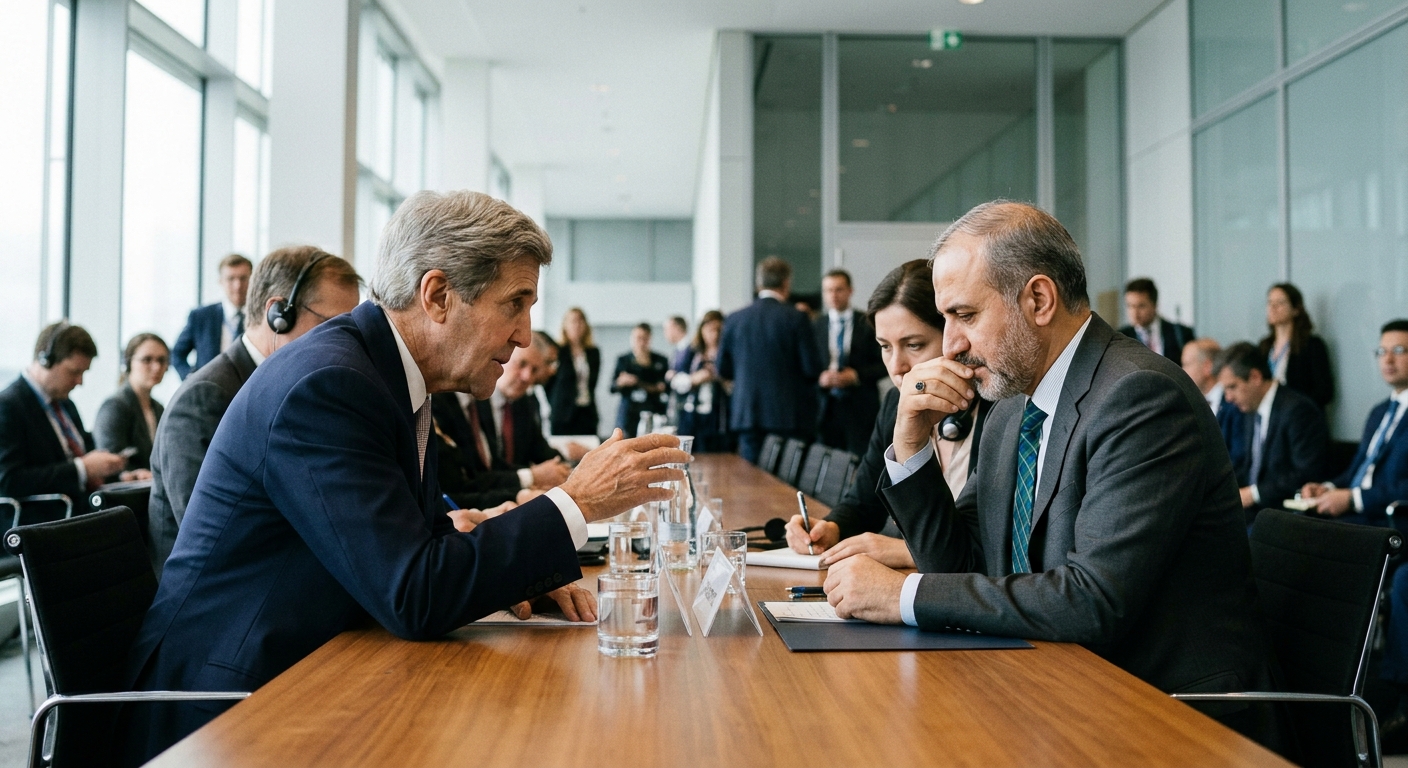
High-stakes talks between the United States and Iran are currently unfolding in Switzerland. Global politics is on edge as these negotiations reflect a mix of geopolitical and domestic tensions. Aiming for an interim deal to resolve ongoing conflicts, the discussions have been overshadowed by the incendiary comments of former U.S. President Donald Trump. His statements have complicated Vice President JD Vance’s attempts to engage Iran on crucial matters like their nuclear program and the Strait of Hormuz.
Trump’s Influence on Diplomatic Talks
Trump’s rhetoric, spread via social media and public forums, has added layers of complexity to the U.S.-Iran negotiations. Recently, his threats to Iran have drawn a strong reaction from Iranian officials. They’re demanding a shift in talks towards the Israeli-Hezbollah conflict in Lebanon. This reflects the tangled web of alliances and rivalries shaping Middle Eastern geopolitics.
“Iran must immediately stop their highly paid PROXIES in Lebanon from causing trouble,” Trump declared, intensifying an already fraught diplomatic atmosphere.
Negotiations in Switzerland, described by Iranian state media as being in a “difficult phase,” have seen Tehran’s team meeting with Qatari mediators in the aftermath of Trump’s comments. Despite the hurdles, both parties stay committed to a 60-day timeline to finalize technical details—outcomes that could significantly impact global security and the world economy.
Colombia’s Presidential Runoff: A Reflection of Political Divides
Meanwhile, in Colombia, the presidential runoff is echoing similar themes of political polarization. The race is between Abelardo de la Espriella, a conservative outsider with U.S. President Trump’s backing, and Iván Cepeda, a progressive lawmaker tied to outgoing President Gustavo Petro’s leftist policies.
Both candidates are tapping into fears of a return to Colombia’s violent past to shape their campaigns. De la Espriella’s tough stance on crime contrasts sharply with Cepeda’s focus on negotiating with illegal armed groups, highlighting the deep divides within Colombian society.
- De la Espriella’s campaign has drawn on symbols like the national soccer team jersey to rally support, sparking both legal and public debates.
- Cepeda, backing Petro’s policies, faces doubts about his ability to maintain peace through negotiation.
As Colombians prepare to vote, the election mirrors broader global trends of ideological conflict and the challenge of addressing entrenched societal issues.
Public Perception and Media Influence
These geopolitical and electoral moves unfold against a backdrop of changing public perceptions. A recent CBS/YouGov poll shows over a third of Americans think the U.S.-Iran memorandum of understanding favors Tehran. This sentiment underscores the complexity of public opinion in international diplomacy and how media framing influences public views.
As events continue to develop, they remind us of the intricate dance between domestic politics, international diplomacy, and media influence—narratives that shape our global society.
No Comments