





28 Jun US-Iran Tensions Ease Amid Political Shifts
US-Iran Tensions Ease Amid Global Political Shifts
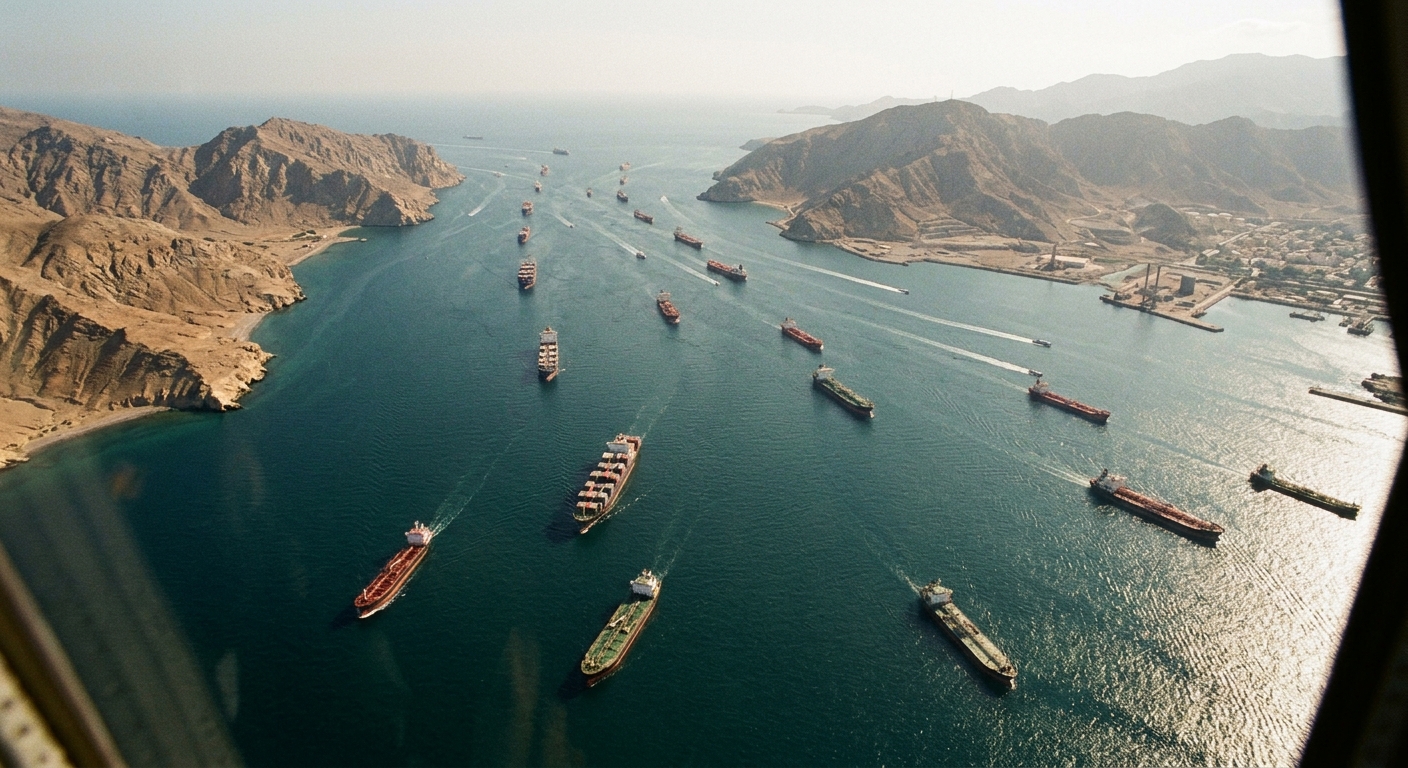
In a surprising turn of events, the United States and Iran have decided to cool down their heated tensions in the Strait of Hormuz. This area is key for global oil shipments, so the stakes are high. A U.S. official confirmed the agreement, which puts a temporary lid on hostilities and opens the door for peace talks. This comes after renewed skirmishes threatened to shake the already unstable region. The choice to “stand down for now” and have technical talks shows both nations are treading carefully. They’re managing their differences while keeping an eye on regional stability.
Broader Political Context: US Domestic and Foreign Policy Dynamics
As this US-Iran dialogue plays out, the domestic scene in the United States is no less complex. The Supreme Court recently delivered a big win to former President Donald Trump. It backed his move to end temporary protected status for some immigrant groups. This decision highlights the executive branch’s substantial power in shaping immigration policy—an issue that’s always stirring the pot in American politics.
In Congress, a bipartisan housing bill passed, aiming to tackle the affordability crisis that’s on many Americans’ minds. But then, in a move few saw coming, Trump shelved the signing ceremony for the bill. Instead, he threw his weight behind the SAVE America Act, though it doesn’t have enough backing. This twist showcases Trump’s unpredictable political style—something we’ve seen before.
Global Impacts: Ukraine’s Strategic Drone Strikes on Russia
Over in Eastern Europe, Ukraine is ramping up its drone strikes on Russian infrastructure. These attacks have hit Russia’s fuel supply hard. For the first time, President Vladimir Putin admitted to fuel shortages. By targeting Russian oil refineries, Ukraine is clearly following a strategy to weaken Moscow’s economic base. President Volodymyr Zelenskyy called these strikes “long-range sanctions” aimed at draining resources crucial for Russia’s military operations.
The ripple effects are real. Logistical headaches in Russia have Kremlin officials mulling over possible negotiations, even if Putin publicly brushes off the idea. It’s a fluid situation, with military and diplomatic strategies at play on both sides.
Interconnected Narratives: A Global Chessboard
The tapestry of events—US-Iran diplomacy, US domestic politics, and the Ukraine-Russia conflict—paints a world in perpetual motion. Each scenario is a thread in a larger story of power, influence, and the complex dance of domestic and global agendas. In navigating these realities, there’s a growing need for deep understanding and nuanced analysis.
When narratives are often cut and dried, the real challenge is recognizing the layers in global politics. These ongoing stories remind us of the tangled web of factors that sway global stability. International relations continue to evolve, making it all the more crucial to grasp the diverse perspectives shaping our world.
No Comments