





22 Jun Shifts in U.S. Political Landscape and Voting Rights
Shifts in U.S. Political Landscape: From Utah’s Congressional Race to Minority Voting Rights
Change is afoot in the U.S. political arena, with everything from Utah’s evolving congressional seat dynamics to the Supreme Court’s latest decisions on minority voting rights shaking things up. These developments don’t just offer a glimpse into how the political map is changing—they reveal the intricate dance between local and national politics.
Utah’s Democratic Opportunity
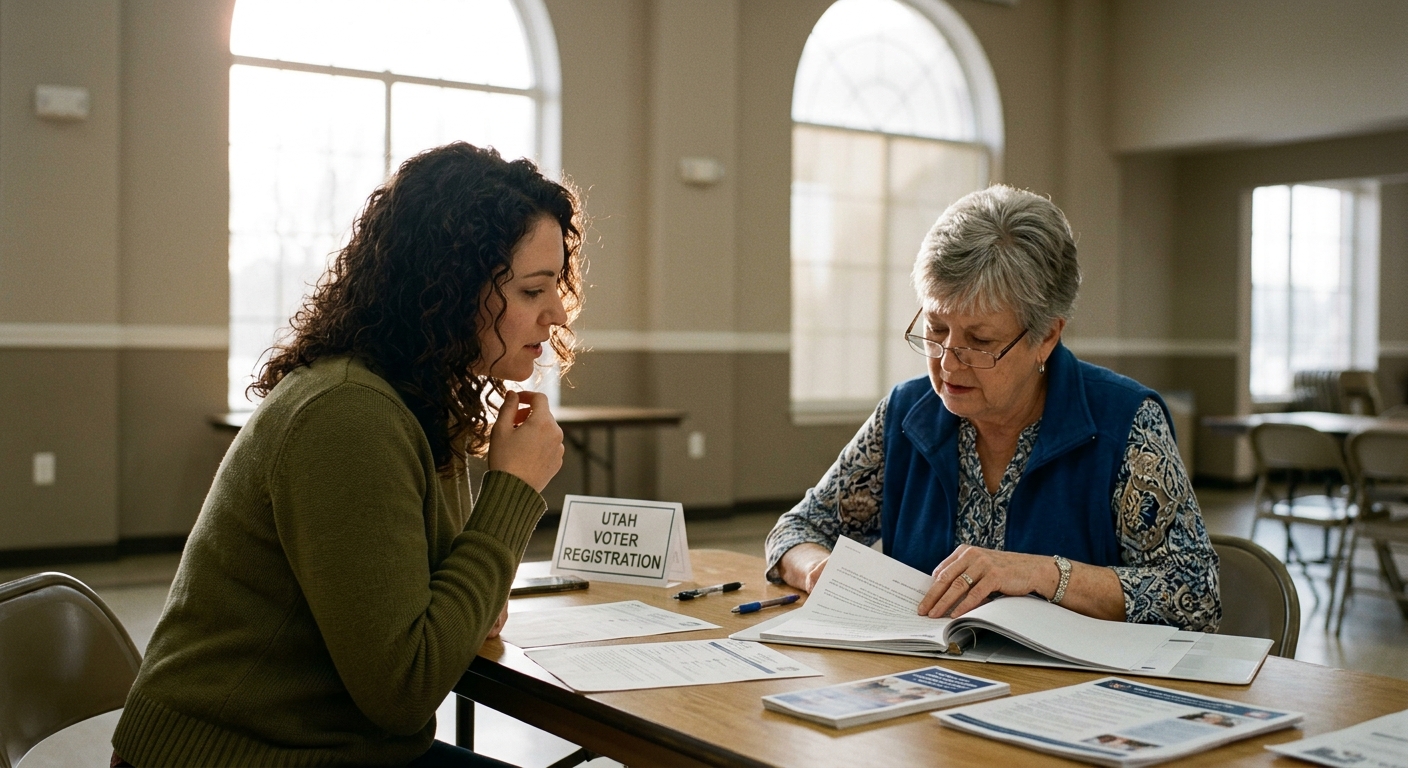
For the first time, Utah’s got a congressional district that’s leaning heavily Democratic—a big change from its usual Republican tilt. This shift came about through strategic redistricting aimed at reducing partisan gerrymandering, leading to a redrawing of the state’s four congressional districts. Now, the 1st Congressional District, based in Salt Lake City, appears to be a Democratic stronghold, potentially shaking up the political balance in the House of Representatives.
This district’s race is drawing a lot of attention, with four Democratic hopefuls battling it out for the nomination. There’s former Rep. Ben McAdams, state Sen. Nate Blouin, and newcomer Liban Mohamed among the contenders. They bring a range of Democratic views, from moderate to progressive, highlighting the party’s internal debates over its future path.
According to Damon Cann, a political science professor at Utah State University, “The question is no longer if a Democrat can win, but which Democrat will win.” Given the tight margins between Democrats and Republicans, this district could be crucial in determining the House majority.
Supreme Court’s Decision on Voting Rights
The U.S. Supreme Court has made a move that might reshape voting rights litigation. They’ve opted not to review a lower court’s decision that essentially ends private individuals’ and groups’ ability to sue under Section 208 of the Voting Rights Act in seven states. Historically, this section has allowed voters with language or disability barriers to get help from a person of their choice at the polls.
This affects states within the 8th U.S. Circuit Court of Appeals—Arkansas, Iowa, Minnesota, Missouri, Nebraska, North Dakota, and South Dakota. This decision follows a conservative majority in the Supreme Court weakening other parts of the Voting Rights Act, leading to widespread redistricting and fueling concerns about dwindling protections against racial discrimination in voting.
Critics warn that curtailing private enforcement of voting rights laws might result in fewer lawsuits. The Justice Department might not have the resources to chase down every case, especially under administrations with different priorities. The case in question involved Arkansas United, an immigrant advocacy group, challenging state voter assistance restrictions—a lawsuit the 8th Circuit Court dismissed.
These stories from Utah and the Supreme Court highlight a dynamic chapter in American politics. The balance of power and the mechanisms meant to protect voting rights are in a state of flux. As these narratives evolve, they echo larger national conversations about representation, equity, and the future of democracy in the U.S.
No Comments