



16 Jul U.S. Politics: Accountability and Ethical Challenges
U.S. Politics: From Accountability Challenges to Ethical Quandaries
U.S. politics today is tackling a slew of intricate issues — from accountability and ethical puzzles to questions of institutional integrity. These stories, like DHS dragging its feet on body cameras for immigration agents or the ethical storm around a White House teleprompter operator, reveal deep governance challenges. Not the first time, either.
DHS Body Cameras: A Persistent Accountability Gap
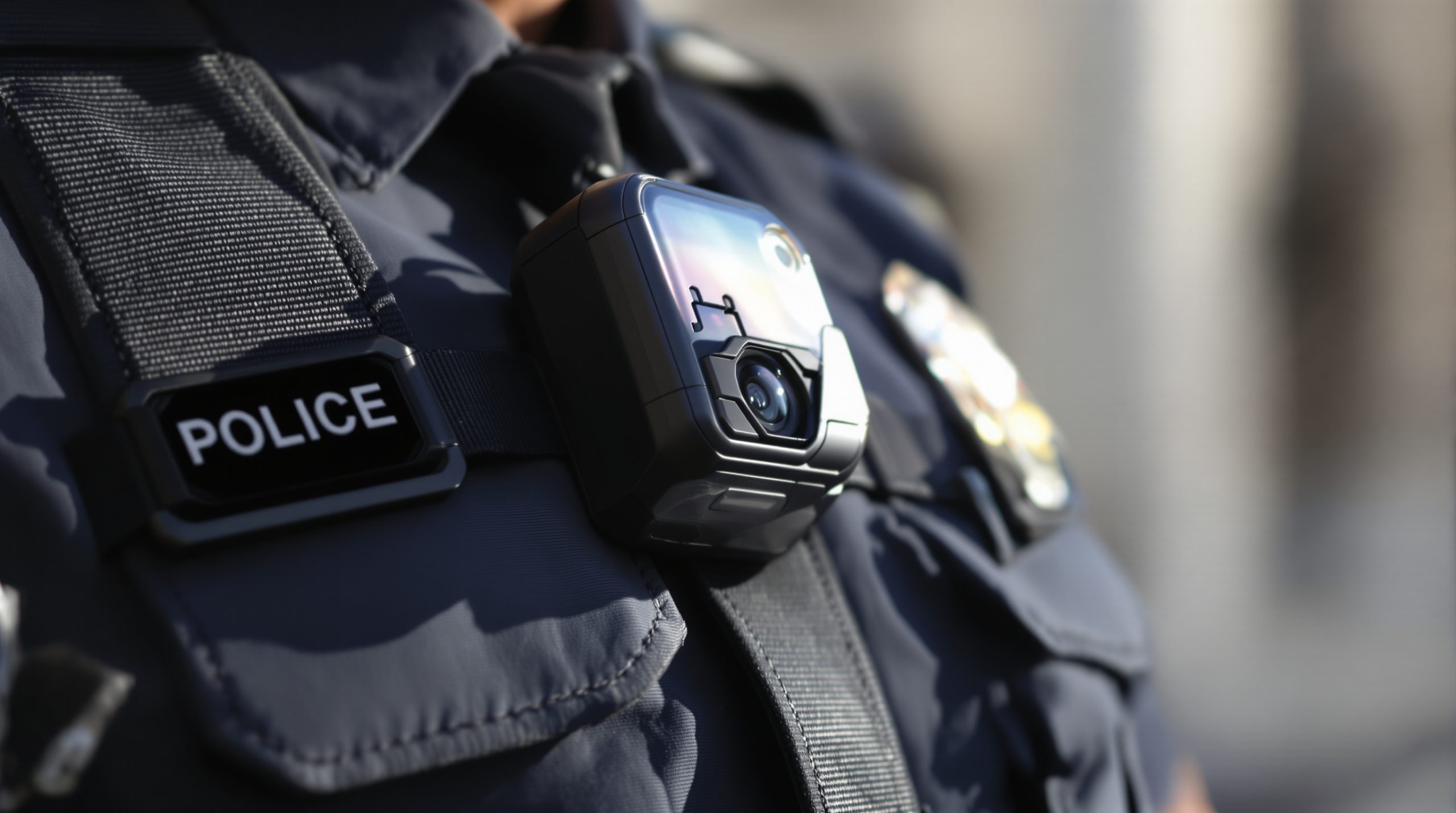
The promise of body cameras for immigration agents by the Department of Homeland Security? We’re still waiting. Six months in, the initiative lags behind, even as fatal shootings involving agents remain unrecorded. U.S. Senator Susan Collins, R-Maine, among others, keeps pushing for these body-worn cameras. They’re crucial, she claims, for accountability, safeguarding officers and civilians alike.
Yet, financial woes and logistical snafus stand in the way. DHS blames budget constraints and government shutdowns. Congress did earmark $31 billion for tech, including cameras, but there’s no mandate forcing Immigration and Customs Enforcement (ICE) to buy or use them. It’s an operational gap that’s hard to ignore.
Confirmation Hearings and Survivor Engagement
Elsewhere, Todd Blanche’s future as U.S. Attorney General hinges on meeting with Jeffrey Epstein’s crime survivors. Senator Thom Tillis, R-N.C., ties his vote to Blanche’s willingness to engage with them, emphasizing the moral stakes in political appointments. Nominees now face pressure to exhibit empathy and accountability that stretch beyond official duties.
White House Ethical Dilemmas: Betting on Presidential Remarks
On the ethical front, Gabriel Perez, President Trump’s teleprompter operator, finds himself under the microscope. Why? He’s accused of profiting off prediction markets on Kalshi, betting on the president’s choice of words during speeches. Insider trading, misuse of information—these concerns loom large. Regulators are diving into it.
Kalshi’s vigilant surveillance flagged odd betting patterns, spurring the investigation. The Perez case underscores the ethical tangles when political insiders turn their access into personal profit — a real test of institutional integrity.
Broader Implications and Cultural Context
These incidents paint a picture of a cultural shift that’s intense. Political accountability and ethics are under a sharper lens. As narratives morph, the blend of tech, governance, and public perception rattles old authority and accountability frameworks. This evolving discourse is reshaping policies and reshaping trust in political machinery.
Political entities are wading through complex waters; the call for transparent, accountable, and ethical governance is louder than ever. Solving these issues? It demands a collective push from lawmakers, regulators, and the public — redefining political engagement and accountability for our times.
No Comments