





29 Jul U.S. Strategy Against Chinese Influence in 2023
U.S. Strategy Against Chinese Influence: A Renewed Focus
The world stage is shifting, and the United States is recalibrating its strategy to push back against China’s growing influence. Recent documents reveal that the Trump administration plans to pour hundreds of millions of dollars into initiatives aimed at curbing China’s expanding reach. It’s a notable pivot—previous cuts had stalled many such programs.
The Financial Commitment
The U.S. government is set to channel $175.8 million toward modernizing telecommunications infrastructure in the Caribbean and Central America, with a keen focus on undersea cables. This significant investment is part of a larger push to counteract Chinese sway, especially in regions where China’s Belt and Road initiative has made noticeable inroads.
The United States must respond to the CCP’s growing economic, technological, and diplomatic leverage around the world which undermines our national interests.
On top of that, there’s talk of nearly half a billion dollars being allocated for programs across the Western Hemisphere, Africa, and Asia. The goal? To “reclaim diplomatic leverage” in areas left wanting due to previous budget and personnel cuts.
Geopolitical Implications
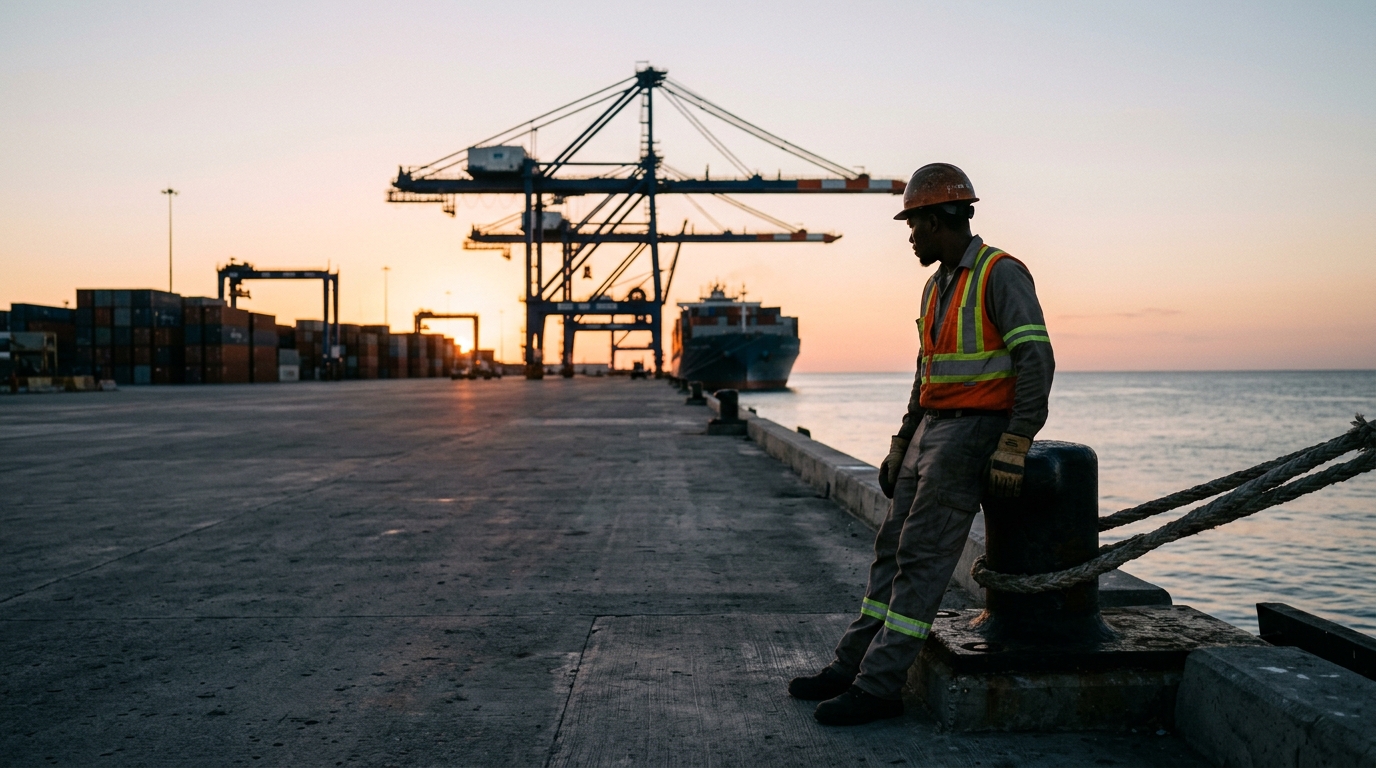
This hefty financial commitment underscores the U.S.’s mounting concern over Chinese activities, particularly in the Western Hemisphere. China’s acquisition of ports at the Panama Canal’s endpoints, infrastructure projects, and telecom investments are viewed as potential threats to U.S. national security and economic prosperity.
China, on the other hand, maintains that its collaborations with other regions aren’t about rivalry but about fostering global development and peace. Still, the race for influence continues to shape the arena of international relations.
Complex Interactions: U.S., Iran, and the Middle East
Meanwhile, tensions in the Middle East are bubbling up once again. Iran has launched ballistic missiles at U.S. forces, disrupting a brief period of calm. Every missile was intercepted, showcasing the U.S. military’s readiness. This incident highlights the fragile nature of the ceasefire and the strategic significance of the Strait of Hormuz.
Regional Dynamics
The plot thickens with Saudi Arabia’s interception of drones from Iran-backed militias in Iraq. These events underscore the intricate dance of regional powers and the ongoing tussle for control over vital waterways.
Iraq’s role, whether overt or via militias, adds yet another layer of complexity to this already tangled conflict. The Iraqi government insists it’s committed to preventing its land from being used for attacks, but tensions still run high.
Looking Forward
As the U.S. fine-tunes its approach to global influence, the dual mission of counteracting China and managing Middle Eastern tensions will likely be front and center in its foreign policy agenda. These efforts signal broader strategic priorities aimed at maintaining global stability and protecting national interests.
Whether these plans succeed hinges on America’s ability to navigate the complex geopolitical landscapes and forge alliances resilient enough to withstand the pressures of global competition.
No Comments