







03 Aug Wildfires Devastate Washington Amid Climate Crisis
Wildfires in Washington: A Crisis Amplified by Climate Change
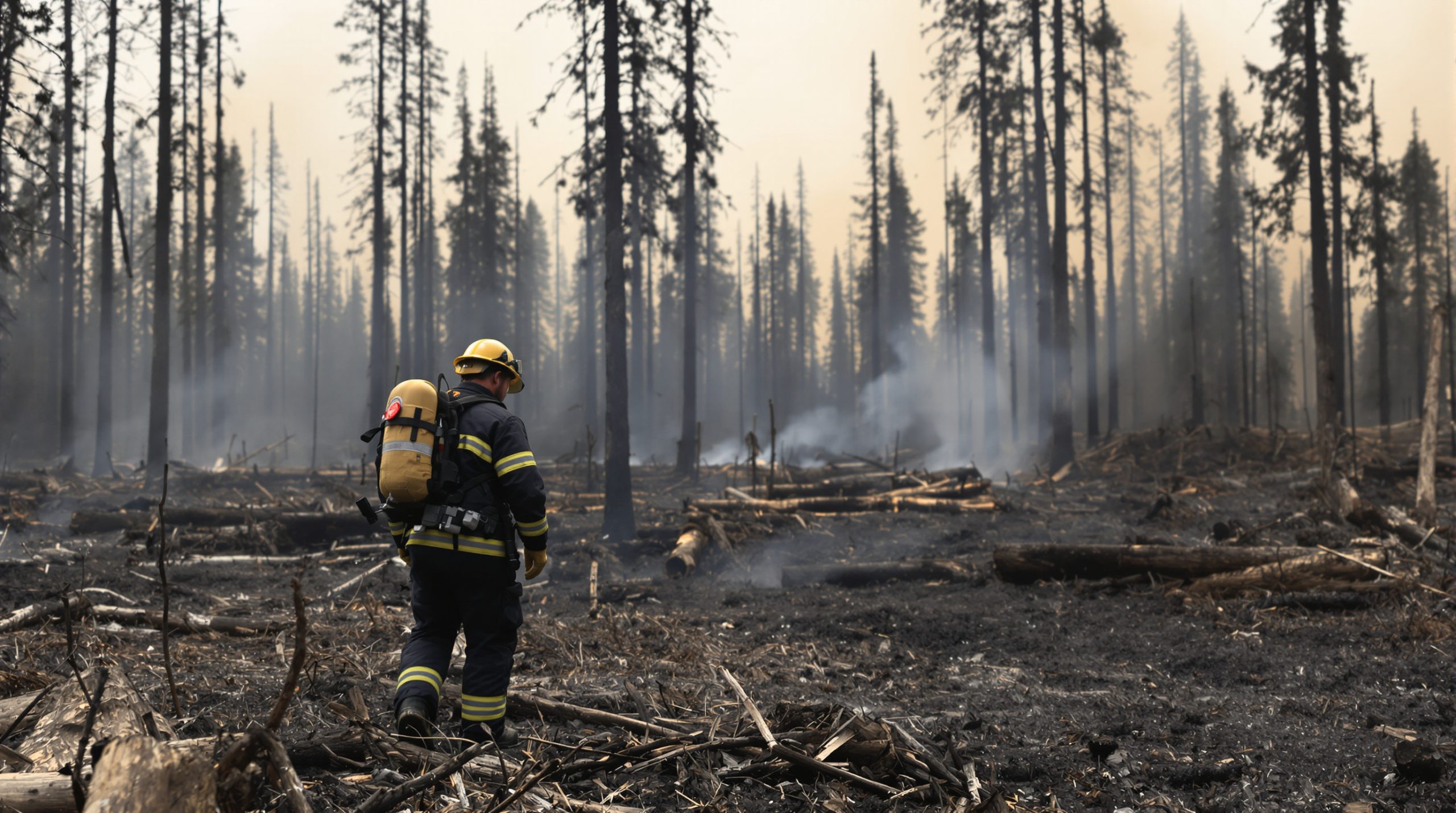
Washington state is grappling with its harshest fire season in over thirty years. Almost 65,000 residents have been pushed out of their homes, as wildfires rage through Spokane and nearby regions. Hundreds of buildings are now reduced to rubble. It’s a stark reminder of the increasing severity—and frequency—of these natural calamities.
The Immediate Impact and Response
Over the recent weekend, Spokane—Washington’s second-largest city—came under siege. Evacuation orders were issued with urgency. Firefighters, even from Southern California, rushed in to help manage the chaos amid more than a dozen active fires statewide. This response underscores the necessity for collaboration across state lines when tackling these massive fires.
“It’s the worst fire season in more than 30 years,” CNN reports, underscoring the escalating challenge for both locals and emergency crews.
Climate Change: A Driving Force
This fierce wildfire season brings the influence of climate change into sharp focus. Dry spell conditions paired with fierce winds are key fire accelerants, mirroring broader climate shifts involving increased heat and erratic rainfall patterns.
- Climate scientists note that climbing global temperatures lead to parched landscapes, making these areas tinderboxes for wildfires.
- Long-term data shows a trend—fires are becoming more frequent and more intense, thanks to climate change.
The Broader Implications
Wildfires threaten more than just safety and property—they leave a deep environmental and economic scar. Destroyed homes and infrastructure demand extensive recovery efforts and funds, while ecosystems may take years to bounce back.
Then there’s the issue of air quality. Smoke clouds health outcomes for residents and can drift far from its origin, affecting areas downwind.
A Call for Action
Washington’s current ordeal isn’t just a wake-up call; it’s a blaring alarm for the urgent need for robust climate policy and disaster readiness. Tackling the root causes of climate change and refining our response strategies are key in reducing future threats.
Emergency measures are vital, but lasting solutions will come from global efforts to cut greenhouse gas emissions and adapt to our shifting climate. Washington’s plight is part of a larger global pattern, revealing how interconnected climate impacts are and stressing the necessity for unified action.
No Comments