




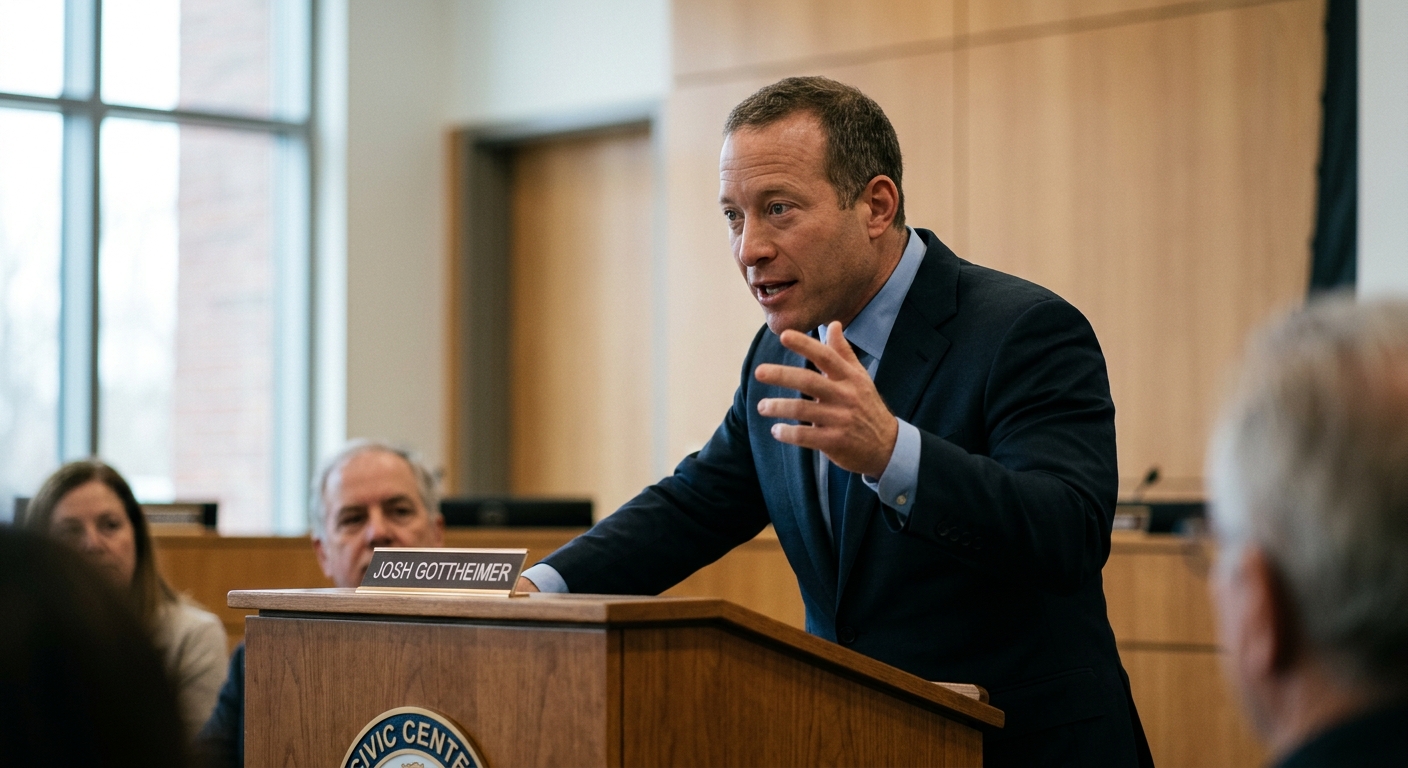
08 Jun Josh Gottheimer’s Role in a Polarized Political Landscape
Josh Gottheimer’s Strategic Positioning: Navigating Political Tides in a Polarized Era
New Jersey Democrat Josh Gottheimer is changing lanes after a hiccup in the gubernatorial race. Some might see his defeat as a setback, but Gottheimer seems to be using the experience to carve out an essential role in his party. He’s stepping up as a central figure ready to balance his party’s progressive wing, a move that could redefine his influence on the national stage.
Positioning as a Centrist Anchor
Gottheimer’s game plan hinges on his knack for presenting a realistic alternative to the Democratic Party’s leftward tilt. By casting himself as a centrist, he connects with moderate voters who might feel sidelined by more progressive policies. And this isn’t just about staying in the game; it’s about steering the conversation within the Democratic Party. In times when political splits often draw party lines, Gottheimer’s centrist approach could act as a stabilizing force, possibly attracting a wider audience.
Influence Beyond New Jersey
Even with the gubernatorial loss, Gottheimer still packs a punch, especially with party leaders. His links with potential future speakers and key Congress players signal that his political story is far from wrapping up. Handling these relationships could be vital for upcoming legislative goals, particularly as the party gears up for the midterm elections.
Challenging Dominant Narratives
Gottheimer is making moves at a moment when debates about party loyalty and ideological purity are under the microscope. By questioning the prevailing progressive narrative, he highlights the need for varied perspectives and independent thinking. This strategy echoes Purple Voice’s mission to challenge entrenched narratives and bring forward neglected viewpoints, promoting a more layered understanding of political currents.
The Road Ahead
As Gottheimer plans his next steps, his choices will likely impact not only his own political path but also the wider scene of Democratic politics. Whether his balancing act within party dynamics will pan out is uncertain, yet his drive to encourage dialogue and bridge gaps positions him as someone to watch closely. His journey might reveal insights into the shifting nature of political power and the ongoing battle to shape public perception in an ever more polarized world.
In a political landscape where party and ideological lines are often sharply drawn, Gottheimer’s centrist strategy might serve as a playbook for those trying to navigate modern governance’s intricacies. His skill in engaging with varied viewpoints and challenging mainstream thought is in tune with a growing call for leaders who value unity over division.
No Comments